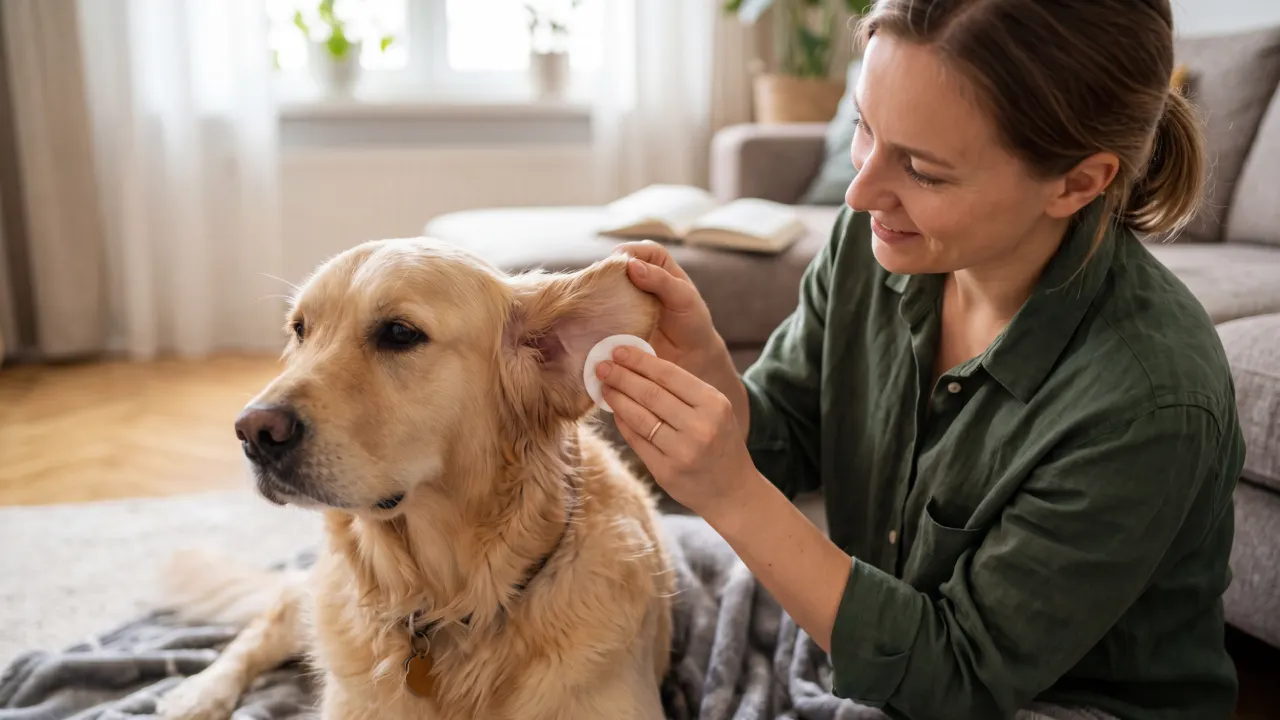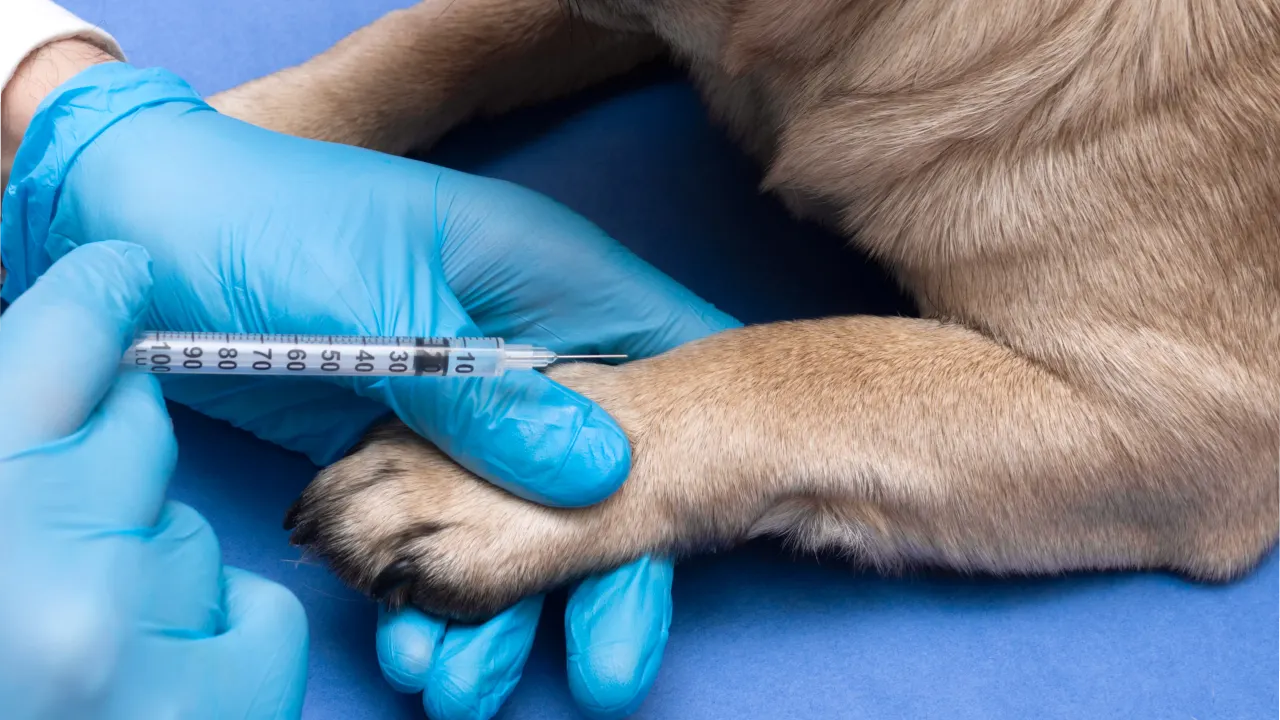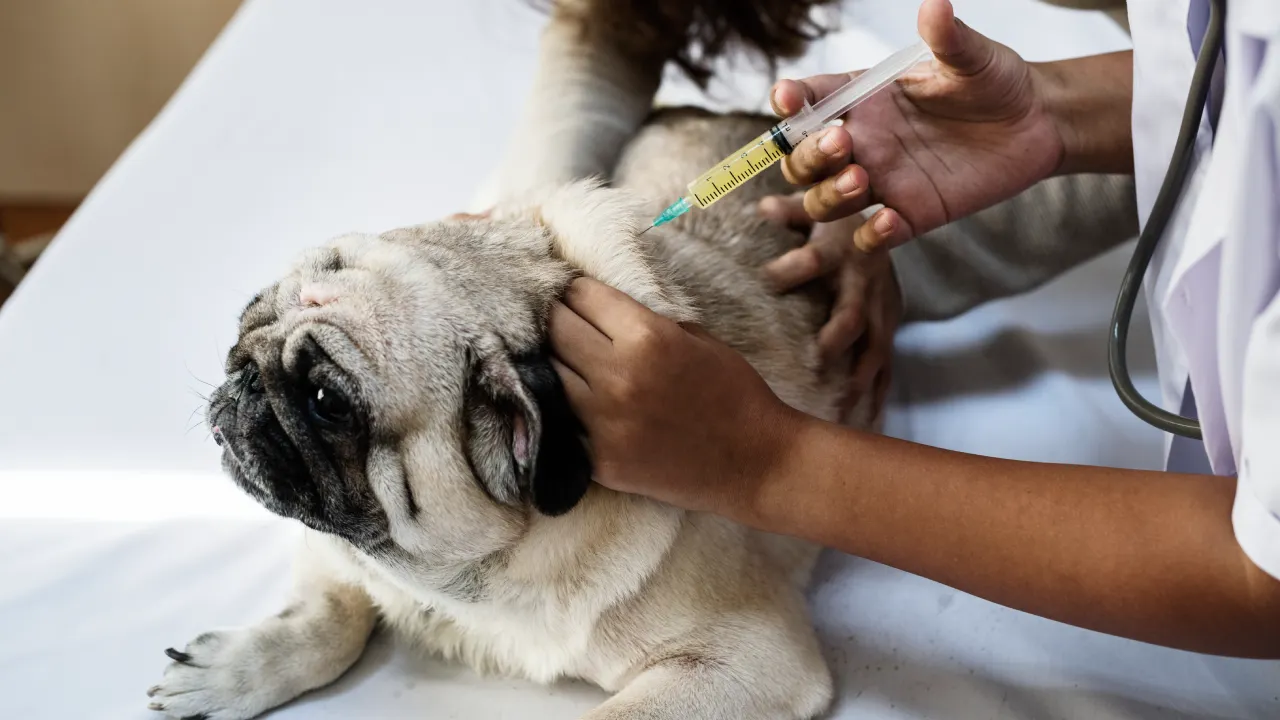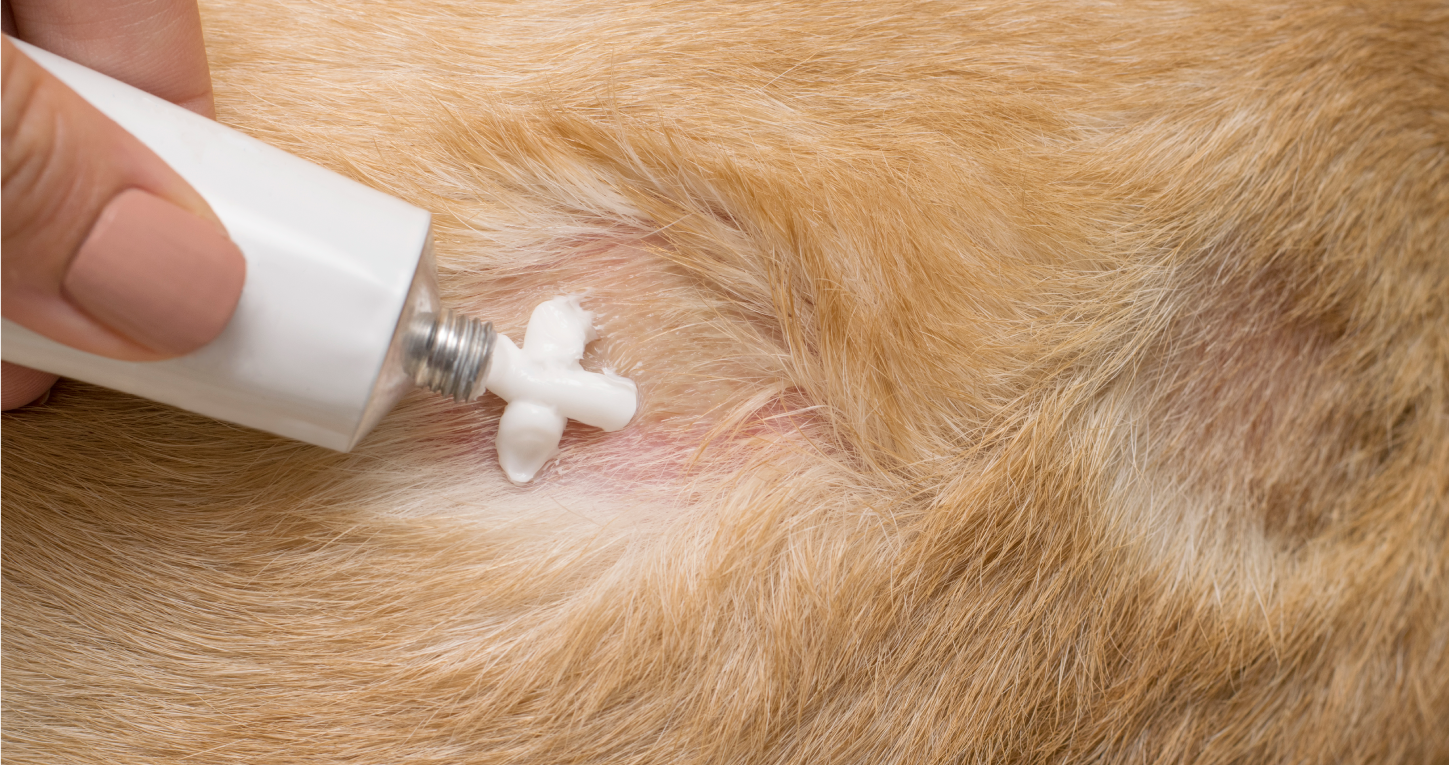
If your dog or cat is scratching excessively, licking the same location repetitively, chewing on their paws, getting areas of irritated fur, or making any other unusual movements, it is likely that they may have a more serious skin issue and require Pet Skin Treatment to address the underlying condition.
Many cat and dog owners believe that occasional scratching is just a part of being an animal, but there can be far more going on than simply an animal slightly discomforted by the presence of an insect or an animal slightly inconvenienced by a fall. In fact, skin problems often quietly develop for weeks and sometimes months before advancing to the point that they cannot be ignored. As such, once the signs and symptoms of a skin issue are finally symptomatic and unable to be overlooked, it is likely that it will already have caused your pet a significant amount of discomfort.
If you are unsure if your dog or cat's scratching, licking, or skin changes constitute a health issue, be sure to look for the following signs that indicate the potential for a serious problem.
The skin of your dog or cat represents the largest organ of your animal and provides your pet a physical barrier to protect them from the outside environment. An excessive amount of irritation to this barrier can result in significant issues.
Mild irritation can lead to:
Numerous types of pet skin conditions won't heal on their own. Some will worsen as pets continue to scratch, lick or chew at the area.
The issue is that pets cannot tell us how they feel. They communicate through changes in behaviour and through visible symptoms on their skin. Recognizing those changes at an earlier stage is an essential way of making a greater difference.
According to the American Veterinary Medical Association, skin conditions are one of the main causes of pet visits to veterinary clinics, showing that pet owners are regularly dealing with their pets' itching, irritation, and other skin issues.
All pets will scratch every now and then, but if your pet starts scratching more often or starts to scratch with greater force or repeatedly that could indicate an issue.
You may notice your pet:
Persistent scratching is one of the most common signs that pet skin treatment may be necessary.
The Merck Veterinary Manual notes that persistent scratching, licking, and chewing are common indicators of underlying dermatological conditions that may require veterinary evaluation.
Healthy skin generally appears calm and free of noticeable inflammation.
Pay attention if you see:
These symptoms often indicate pet skin irritation caused by allergies, parasites, infections, or other underlying issues.
The longer inflammation continues, the more likely pets are to scratch and worsen the problem.
Finding fur around your home is normal.
Finding bald spots on your pet is not.
Hair loss may appear as:
Both dogs and cats can develop hair loss when underlying skin conditions go untreated.
A strong odour coming from your pet's skin is often a warning sign that something is wrong.
Many people first think their pet just needs a bath. But strange smells can sometimes be caused by:
When odour develops alongside itching or redness, veterinary evaluation becomes important.
Scabs and crusty patches often indicate ongoing irritation or skin damage.
Watch for:
These changes may develop when pets scratch repeatedly or when skin conditions continue without treatment.
Not all skin problems involve scratching.
Many pets respond to discomfort by licking or chewing affected areas.
Common locations include:
Excessive licking is among the most overlooked pet scratching symptoms because owners often mistake it for routine grooming.
Skin discomfort affects more than the skin itself.
Pets dealing with ongoing itching may become:
Behavioural changes are often the hidden clue that itching has become a significant issue.
Many pet owners expect food reactions to involve digestive issues.
In reality, some food sensitivities show up primarily through the skin.
Symptoms may include:
Identifying dietary triggers often requires careful veterinary assessment.
A single flea can easily cause extreme irritation to your pet.
However, many pet owners never see the offending flea.
Fleas often remain hidden in the deep layers of a pet’s fur and are therefore difficult to detect at first glance.
According to the Cornell University College of Veterinary Medicine, a few fleas can lead to an excessive skin reaction in dogs and cats with sensitive skin, resulting in an unrecognized or underestimated flea-related texture.
Your pet may react to things inside the house every day.
Potential triggers include:
These allergens are present year-round and may contribute to ongoing itchy skin in pets.
Stress can sometimes influence grooming habits.
Some pets begin licking, chewing, or scratching excessively during periods of:
Over time, these behaviours may lead to visible skin damage.
Some skin symptoms are connected to broader health concerns.
Hormonal imbalances, immune-related conditions, and other medical issues may contribute to:
This is one reason a professional evaluation is often recommended when symptoms persist.
While many skin conditions affect both species, symptoms can appear differently.
Dogs often show:
Many dog skin treatment plans focus on identifying allergies, parasites, infections, or environmental triggers.
Cats are often more subtle.
Signs may include:
Because cats can hide discomfort remarkably well, cat skin treatment often begins after owners notice excessive grooming.
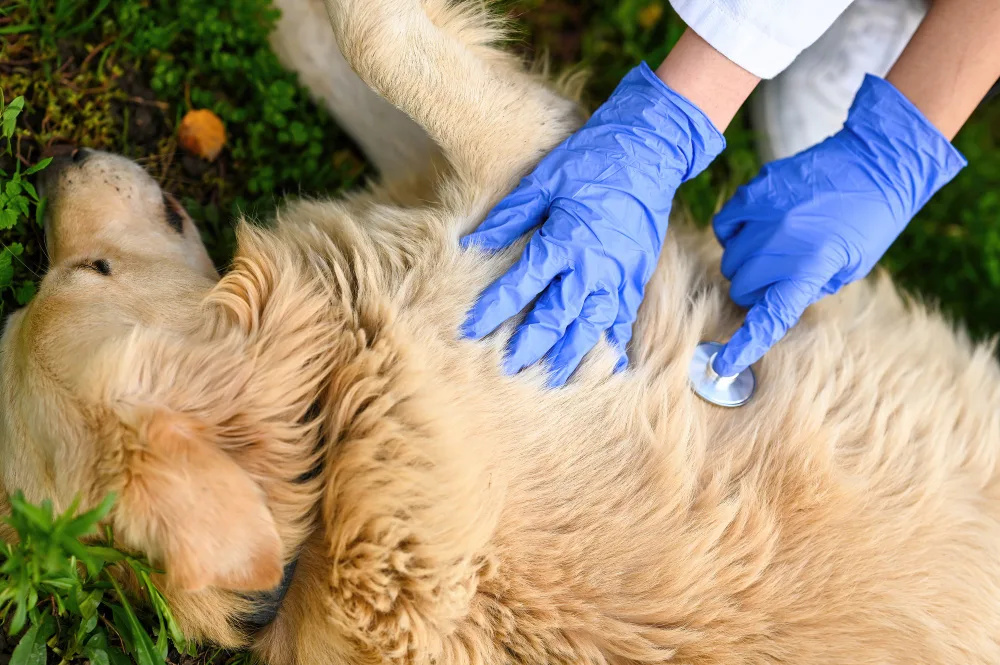
Many owners worry about what to expect during an appointment for pet skin treatment.
The process is generally straightforward.
A veterinarian reviews your pet's overall health and examines affected areas.
The skin and coat are checked for:
Depending on symptoms, testing may include:
Veterinarians will provide care options to the owner as soon as they determine the source of their pet's dermatological disease. Their goal is to treat the cause of the problem, as opposed to masking the symptoms.
Studies performed by the American Animal Hospital Association show that early assessment by veterinarians can greatly improve the chances of successfully identifying the root cause of skin problems before they become complicated.
Some examples of common mistakes made by pet owners when their pet has skin problems include:
We may overlook the fact that a minor amount of itching may lead to significant skin problems over an extended period of time
Pet owners sometimes wait weeks or months for symptom improvement.
Internet remedies may not address the actual cause and can sometimes worsen irritation.
Occasional scratching is normal.
Constant scratching is not.
Switching shampoos, foods, or grooming products too often can make it harder to figure out what’s really causing the problem.
Many local factors can contribute to skin allergies in pets and other pet dermatology concerns.
During warmer months, pollen levels increase and may trigger itching in sensitive animals.
Calgary's climate can contribute to dry skin, particularly during colder seasons.
Pets spending time outdoors encounter:
These environmental factors may contribute to pet itching causes throughout the year.
Even when pets stay indoors, dust and other allergens can continue affecting skin health.
Because of both seasonal and indoor triggers, many Calgary pet owners end up taking their pets to the vet for skin issues.
If your pet is scratching too much, licking too much, losing hair, having skin irritation, or showing behavioural changes, you should see a vet.
Some minor irritation can resolve on its own; however, persistent or chronic itching usually indicates a problem in need of further examination.
Common causes of skin irritation in pets include allergies (food or otherwise), fleas, environmental allergens, infections, grooming habits and underlying medical conditions.
Excessive scratching is not always associated with skin issues, but it is one of the more common signs of skin problems.
Yes. Dogs typically scratch clearly, and cats will groom repeatedly and develop bald patches without clear signs of itching.
If your pet continues to have issues, if their issues are getting worse, if their issues are recurring, or if their skin issues are affecting their quality of life, comfort, sleep or daily activities.
Skin issues rarely stay the same for long. What begins as occasional scratching can develop into ongoing irritation, hair loss, skin damage, or infection if the underlying cause remains unidentified.
If you've noticed any of these warning signs, don't ignore them or assume they will disappear on their own. Early evaluation can help identify what's causing the problem and determine the next steps for your pet's comfort and health.
If your pet is showing signs that may require pet skin treatment, contact Ramsay Animal Clinic at 1639 17a St SE, Calgary, AB T2G 3W8, Canada. Contact our clinic to schedule an appointment and have your pet's skin concerns assessed by a veterinarian.