An after-hours pet emergency requires immediate, focused action. When your family veterinarian closes their doors for the evening, responsibility shifts entirely to you to manage a medical crisis.
This guide serves as a practical blueprint to help you navigate triage, transport, and financial logistics under pressure, ensuring your pet receives professional care as quickly as possible.
Follow this sequential progression from the moment you suspect a critical health issue until you arrive safely at a Calgary emergency center.
1.Execute Immediate Physical Triage:
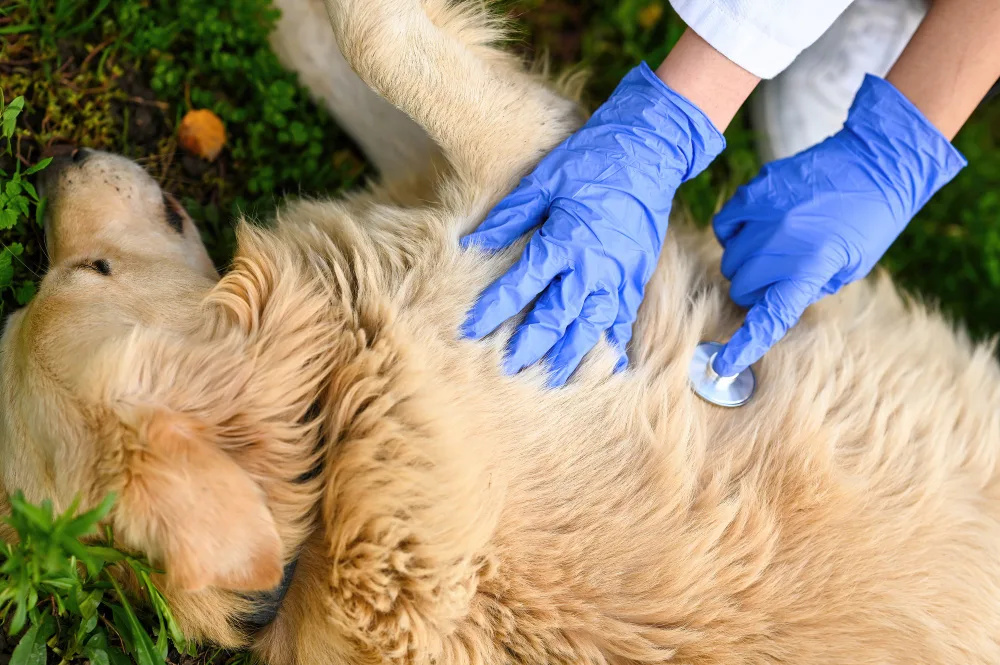
Assess your pet's responsiveness, respiratory pattern, and gum color. Check for obvious signs of severe distress like extreme lethargy, inability to stand, uncoordinated movement, or unproductive vomiting. If the animal is actively seizing or bleeding heavily, prioritize physical stabilization over all else.
2.Call the Emergency Hospital En Route:
Never show up at an emergency facility unannounced if it can be avoided. Call the clinic immediately. Inform the registered veterinary technician (RVT) of your pet’s species, age, known symptoms, and estimated time of arrival. This allows the medical team to prepare oxygen lines, fluid pumps, or a gurney at the front door.
3.Secure and Transport Safely:
Injured or panicked animals may bite or scratch defensively. Secure cats firmly inside a hard-sided carrier. Use a thick blanket as a temporary sling to support large dogs with mobility issues or broken bones. Drive cautiously; a vehicular accident en route will only delay vital medical care for your pet.
4.Navigate the Intake and Triage Process:Time: Upon Arrival.
Present yourself immediately to the reception desk. An RVT will assess your pet to determine their triage priority level. If your pet is stable, you will be directed to the waiting area while more critical patients are stabilized. Complete any digital intake or historical health forms during this period.
When you call the emergency clinic while driving or preparing your vehicle, the information you provide shapes the hospital's readiness. Be prepared to communicate these critical details clearly:
Critical Information Checklist for the ER Intake Call:
- Specific Toxin Information: If your pet ingested a poison, provide the exact chemical name, active ingredients, package size, and the approximate volume consumed.
- Current Medical History: Briefly state any underlying chronic conditions, such as diabetes, epilepsy, or advanced cardiac disease, alongside a summary of active daily medications.
- Vital Signs Update: Report if the animal is conscious, responsive to their name, or experiencing severe physical changes like a hard, swollen abdomen or pale gums.
Managing an emergency after hours requires an understanding of standard hospital operations. Emergency fees differ fundamentally from general practice clinics; a standard diagnostic exam fee after hours covers the baseline costs of keeping advanced diagnostic equipment online and emergency medical teams fully staffed through the night.
Always ask for a transparent, tiered medical estimate after the initial triage exam. Veterinary teams typically provide a primary stabilization estimate followed by a comprehensive diagnostic and hospitalization plan if your pet requires an overnight stay.
If finances are a constraint, communicate this directly to the veterinary team before care begins. They can work within your budget by prioritizing essential diagnostics—like a fast ultrasound scan to check for fluid or basic blood work to evaluate organ function—ensuring your pet receives targeted care while managing expenses effectively.