Pet owners in Calgary have many responsibilities, from providing balanced meals and regular exercise to arranging routine veterinary visits. One of the most important parts of preventive care is keeping cats and dogs protected against infectious illnesses. Pet Vaccination helps the immune system prepare for exposure to certain viruses and bacteria before a real infection occurs.
At Ramsay Animal Clinic, schedules are discussed according to an animal’s age, lifestyle, vaccine history, and exposure risks. Staying on schedule can reduce the chance of serious disease and help protect other animals.
Here are seven reasons this part of veterinary care deserves attention, along with practical information about timing and disease protection. Pet Vaccination can be an important part of that routine.
Some infectious diseases can cause severe illness in dogs and cats. Routine vaccines may protect against rabies, parvovirus, distemper, hepatitis, feline panleukopenia, and respiratory infections.
Vaccines give the immune system information that helps it recognize a disease threat. If exposure occurs later, the immune response may act more quickly.
Pet Vaccination does not guarantee that an animal will never become infected. However, vaccination can reduce the risk of certain diseases and may lessen the severity of illness when exposure occurs.
Young animals have developing immune systems and often have a higher risk of infection. They may also be exposed to new environments as they begin exploring the world, meeting other animals, visiting parks, attending training classes, or spending time at boarding facilities.
Puppies and kittens also receive temporary antibodies from their mothers. These maternal antibodies can gradually decline, but they may interfere with a vaccine response for a period of time. This is one reason young pets commonly receive a series of vaccines rather than one appointment.
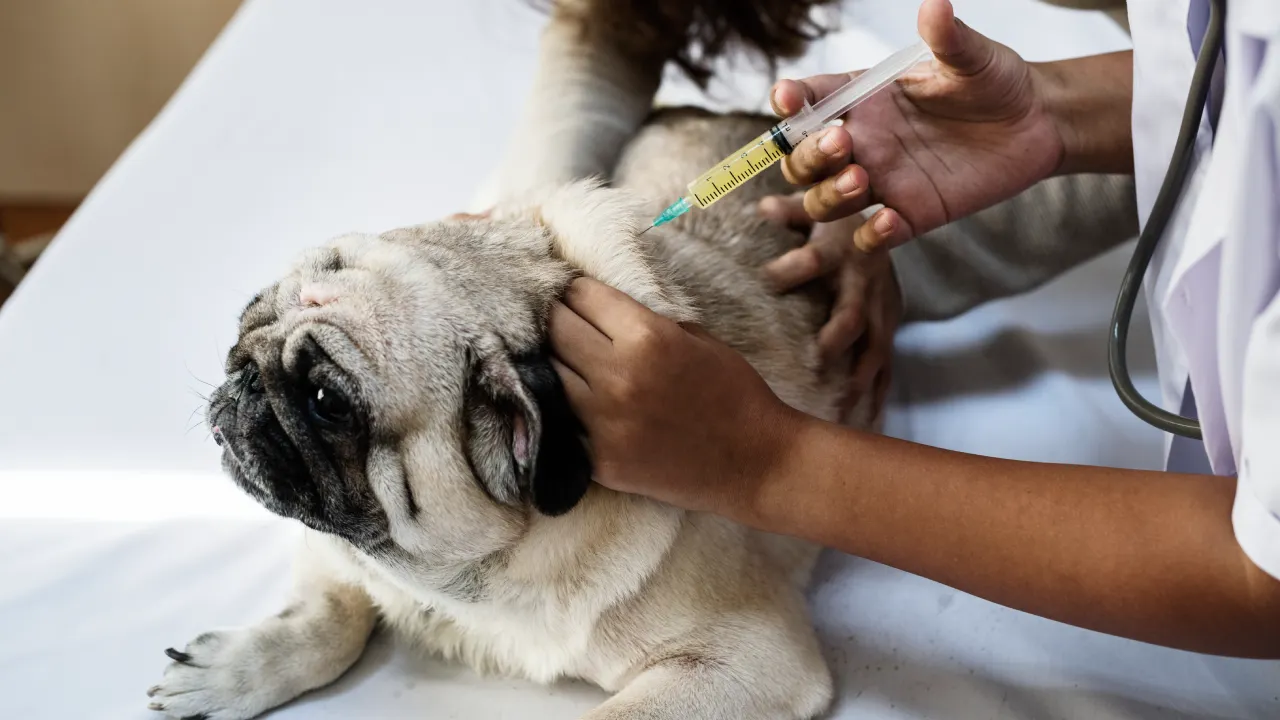
Pet Vaccination appointments allow a veterinary team to review the animal’s age, previous doses, and health status before deciding which vaccines are due. This review also helps keep records organized.
Vaccination is not only about the individual animal. When a large number of susceptible pets are protected, infectious diseases may have fewer opportunities to spread.
This matters in places where animals interact, including parks, grooming facilities, boarding centres, shelters, training classes, and multi-pet households. Indoor pets can also encounter infectious agents through people, other animals, or contaminated environments.
Pet Vaccination can therefore play a role in reducing disease circulation among household pets and the wider animal population.
Calgary pet owners may travel with their animals or arrange boarding and daycare when away from home. Many facilities require proof of current vaccines before accepting a pet. Some travel destinations also have vaccination and documentation requirements.
Current records can make these arrangements easier and show when vaccines were given and when future doses may be due.
Before travel, ask the veterinary team about destination-specific requirements. Rules can vary based on where you are going, the animal’s species, and the length or purpose of the trip.
Not every animal has the same risk profile. Age, medical history, lifestyle, previous vaccine reactions, housing conditions, and exposure to other animals can influence vaccination decisions.
For example, an indoor cat may have a different exposure pattern from a cat that spends time outdoors. A dog that regularly attends daycare may face different risks from a dog that rarely encounters other animals.
Pet Vaccination planning should take these factors into account. A veterinary professional can review the animal’s history and discuss which vaccines are appropriate, how often they may be needed, and what signs to watch for after an appointment.
A vaccine appointment can also provide an opportunity for a general health check. The team may review weight, nutrition, dental health, parasite prevention, behavior, activity, and other aspects of routine care.
Regular appointments can help identify changes early. Owners can also ask about changes in appetite, energy, stool, skin, coat, or behavior.
Pet Vaccination is one component of a broader preventive-care routine. It works alongside routine examinations, parasite control, dental care, nutrition, exercise, and attention to changes in health.
Keeping track of vaccines can become difficult when pets have multiple appointments or when records are spread across different clinics. A clear vaccination record helps owners know what has already been given and what may be due next.
Planning ahead can also reduce the chance of missing a dose that is required for a particular activity, such as boarding or travel. Ask the veterinary team how your pet’s schedule is organized and whether reminders are available.
Pet Vaccination schedules are not identical for every animal. Some vaccines are part of routine core protection, while others may depend on lifestyle and exposure. Your veterinarian can explain the schedule for your pet.
Puppies and kittens generally begin their primary vaccination series during the first several weeks of life, often around 6 to 8 weeks of age, although the exact timing can vary. Additional doses are commonly given at intervals recommended by the veterinarian.
Multiple early doses account for maternal antibodies and the developing immune response. A young animal may not respond fully to a vaccine if maternal antibodies are still present. Repeated doses provide opportunities for the immune system to respond as those antibodies decline.
Adult animals with an unknown or incomplete vaccine history may also need a vaccination plan. The team can review available records and determine the next steps.
Schedules vary, so owners should not rely on one schedule found online. A veterinary appointment provides an opportunity to create a schedule based on the individual pet.
Vaccines prepare the immune system to recognize specific disease-causing organisms or components of them. After vaccination, the immune system develops a form of immune memory. If the animal later encounters the relevant pathogen, the body can respond more rapidly.
For dogs, vaccines may be used against rabies, parvovirus, distemper, and adenovirus-related illness. Other vaccines may depend on lifestyle and local risk.
For cats, vaccines may protect against rabies, feline panleukopenia, feline herpesvirus, and feline calicivirus. Other vaccines may depend on exposure risk.
No vaccine provides protection against every illness, and vaccinated animals can still become sick from other causes. Pet Vaccination is one preventive measure within a wider veterinary care plan.
Most pets do well after vaccination. Some may have mild, short-lived effects such as tiredness, soreness at the injection site, or a temporary decrease in appetite. Owners should follow the veterinary team’s instructions about what to monitor.
If an animal develops signs that seem severe or unusual after vaccination, contact the veterinary clinic promptly. Immediate veterinary attention may be required for serious reactions.
Updated vaccine records help the team make decisions at future visits. Bring previous records to appointments, when possible, particularly if you have recently changed clinics.
Indoor living can reduce some exposure risks, but it does not eliminate them. Disease-causing organisms can enter homes through people, other animals, or contaminated materials. Your veterinarian can discuss which vaccines fit your pet.
Yes. An adult animal with missing or uncertain records can still have a vaccination plan. The schedule may differ from that of a puppy or kitten, so a veterinary review is useful.
The timing depends on the vaccine, species, age, previous doses, health status, and exposure risk. Some vaccines require a series followed by boosters, while others may follow different intervals.
Mild effects such as tiredness or tenderness can occur. More serious reactions are uncommon but can happen. Ask the veterinary team what signs require prompt attention.
Yes. Existing records can help the veterinary team determine which vaccines your pet has received and what may be due next. If records are unavailable, tell the clinic what you know about the pet’s previous care.
Keeping Pet Vaccination current is one practical step toward protecting your pet from preventable infectious diseases. If your dog or cat is due for a vaccine, has an incomplete history, or you are unsure which doses are appropriate, contact Ramsay Animal Clinic in Calgary.
Bring existing records and share details about lifestyle, travel, boarding, daycare, outdoor activity, and contact with other animals. Our veterinary team can review these details and discuss the next steps for your pet’s vaccination schedule.