Pets are cherished members of the family, and keeping them healthy requires more than responding to visible signs of illness. Dogs and cats may develop health problems gradually, sometimes showing few noticeable symptoms during the early stages. Changes in appetite, sleeping habits, activity levels, or behaviour can be subtle, making it difficult for pet owners to recognize when something is wrong.
Regular veterinary checkups allow veterinarians to assess a pet’s overall health, monitor changes over time, and identify potential concerns before they become more serious. Pet Wellness Exams are an important part of preventive veterinary care because they help evaluate physical condition, review health history, and identify areas that may require further testing.
For pet owners in Calgary, routine appointments at Ramsay Animal Clinic can support informed decisions about their pets’ health at different life stages. Whether you have a playful puppy, an adult cat, or a senior dog, regular veterinary assessments can help identify developing concerns and establish an appropriate care plan.
Animals cannot explain when they feel unwell. Instead, they may hide discomfort, become less active, or change their usual routines. By the time obvious symptoms appear, an underlying condition may have progressed.
Early detection gives veterinarians an opportunity to investigate unusual findings and determine whether treatment, additional testing, or closer monitoring is necessary. Although routine checkups cannot prevent every illness, they can help identify certain conditions before noticeable symptoms develop.
Regular appointments can also establish a health baseline for your pet. Comparing current findings with previous examinations helps a veterinarian recognize changes in body weight, heart rate, mobility, dental condition, or other physical indicators.
For example, gradual weight loss may point to a digestive problem, dental discomfort, or another medical concern. Increased thirst and urination may indicate a condition requiring further investigation. Recognizing these changes early can help guide timely veterinary care.
Pet wellness examinations are routine veterinary appointments focused on assessing an animal’s general health and identifying potential medical concerns. Unlike appointments prompted by an immediate illness or injury, these visits focus on preventive care, health monitoring, and age-appropriate recommendations.
During an appointment, a veterinarian reviews the pet’s medical history, asks about daily habits, and conducts a physical examination. Depending on the animal’s age, breed, lifestyle, and health history, the veterinarian may recommend laboratory tests, parasite screening, vaccinations, or other assessments.
The frequency of visits depends on individual needs. Puppies and kittens often require more frequent appointments because they grow quickly and need scheduled vaccinations and developmental monitoring. Healthy adult pets may need annual examinations, while senior animals or pets with ongoing conditions may benefit from more frequent assessments.
At Ramsay Animal Clinic in Calgary, pet owners can discuss their animal’s health history and ask questions about changes they have noticed at home. Sharing even minor observations can help the veterinarian decide whether additional investigation is appropriate.
A routine veterinary appointment involves several checks that provide information about a pet’s physical condition and general health. The exact procedures vary according to the animal’s age, medical history, and current needs.
The veterinarian may ask about your pet’s appetite, water consumption, activity level, bowel movements, urination, sleep, and behaviour. They may also review previous illnesses, vaccinations, parasite prevention, and any ongoing concerns.
Pet owners should mention changes such as unusual tiredness, increased thirst, persistent itching, coughing, or difficulty jumping. These details can help the veterinarian identify patterns that might otherwise go unnoticed.
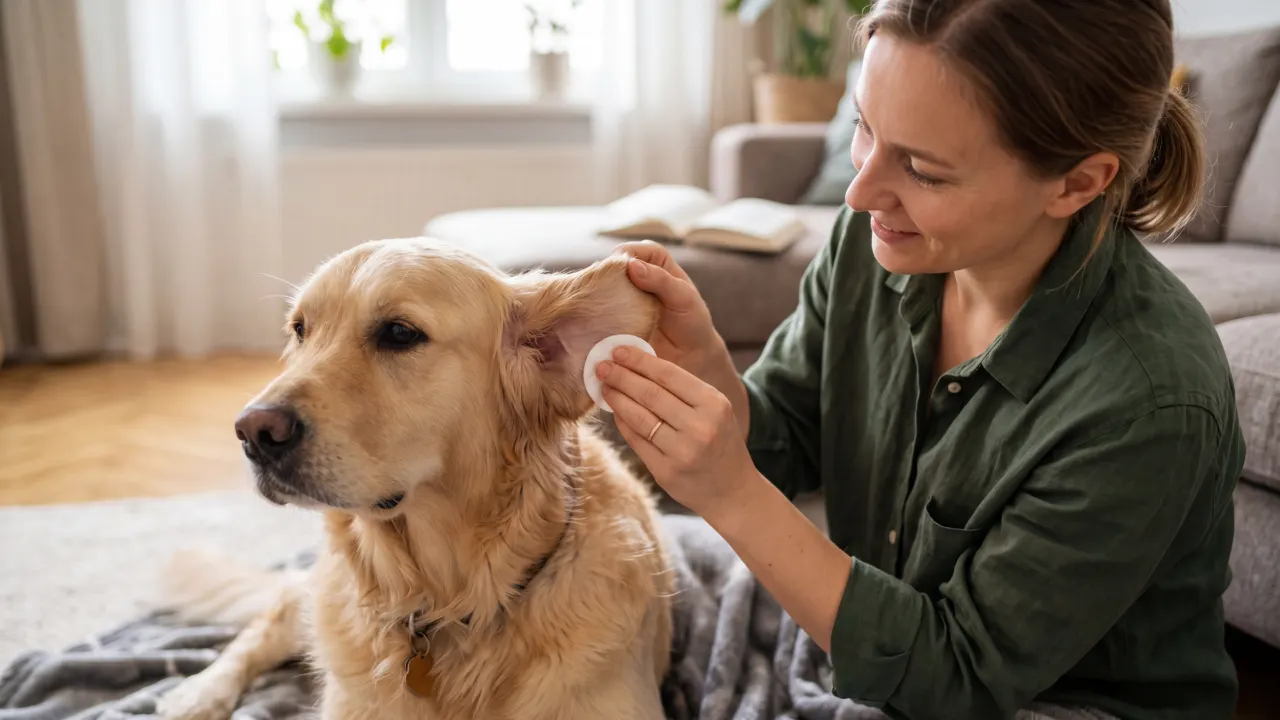
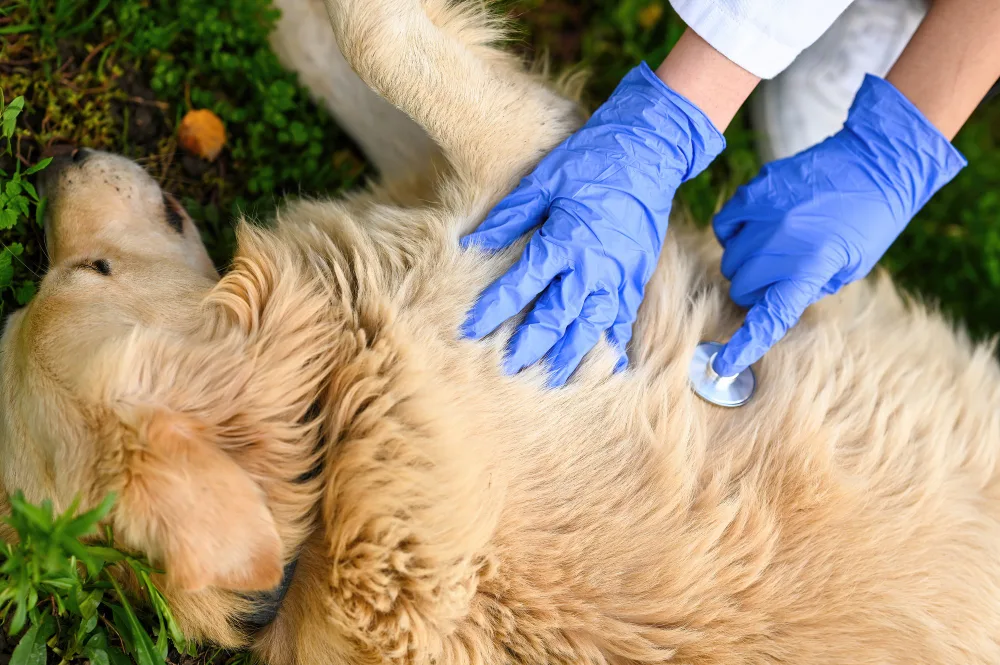
A physical examination allows the veterinarian to assess several body systems. This may include checking the eyes, ears, nose, mouth, skin, coat, lymph nodes, heart, lungs, and abdomen.
The veterinarian may also assess body condition, muscle mass, hydration, and movement. Abnormal findings do not automatically indicate a serious illness, but they may suggest that further testing is necessary.
Dental problems can develop gradually and may affect eating habits, comfort, and general health. During an oral examination, the veterinarian checks the teeth and gums for plaque, tartar, inflammation, damaged teeth, and other visible abnormalities.
Pets may continue eating even when their mouths are uncomfortable, so changes in chewing behaviour are not always obvious. Persistent bad breath, drooling, or difficulty chewing should be discussed during the appointment.
Changes in body weight can provide important information about a pet’s health. Gradual weight gain may increase the risk of joint strain and other complications, while unexplained weight loss can indicate an underlying medical problem.
The veterinarian assesses body condition and may recommend dietary adjustments or further investigation based on the findings.
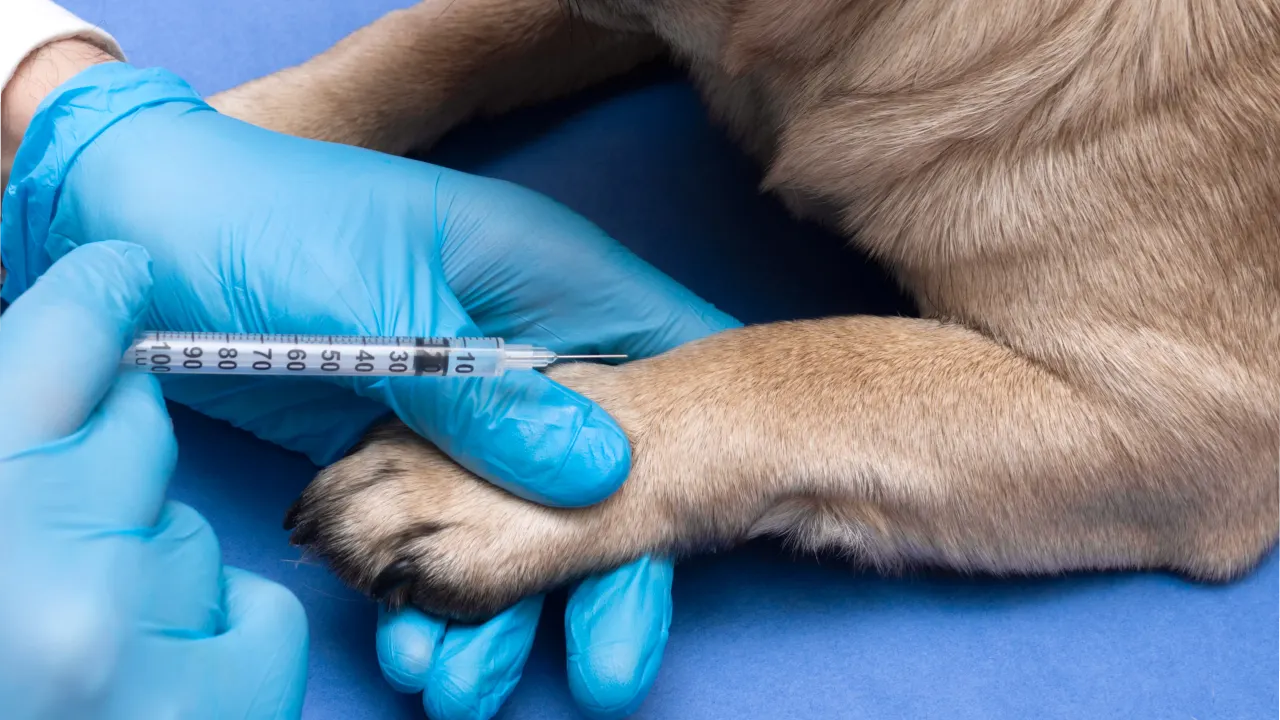
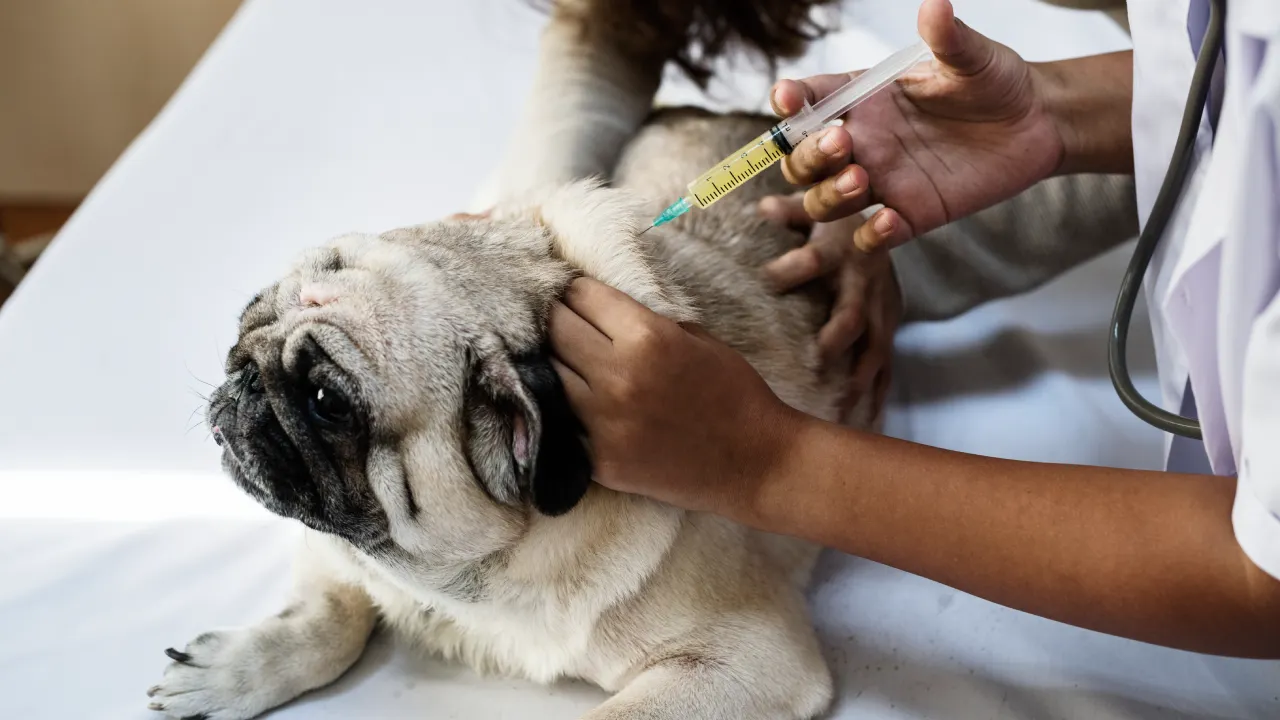
Vaccination needs vary according to age, lifestyle, previous vaccination history, and exposure risks. The veterinarian can review which vaccines are due and discuss appropriate protection against common infectious diseases.
Parasite prevention is another important topic. Depending on a pet’s activities and exposure, the veterinarian may discuss fleas, ticks, intestinal worms, and heartworm risks.
A physical examination may not reveal every developing condition. Blood tests, urine analysis, stool testing, or other diagnostic procedures may be recommended when indicated by age, medical history, symptoms, or examination findings.
These tests can help investigate concerns involving kidney function, blood sugar, liver function, infections, or other health issues. The veterinarian will explain why a test may be useful and discuss the next steps based on the results.
Routine veterinary assessments can help identify signs associated with several conditions. Early findings may require additional testing before a diagnosis can be confirmed.
Dental disease is common in dogs and cats. Plaque accumulation can lead to gum inflammation, tartar buildup, and damage to the structures supporting the teeth.
Regular oral examinations can identify visible warning signs. Pet owners should watch for bad breath, bleeding gums, changes in chewing, or reduced interest in hard food.
Kidney conditions may develop gradually, particularly in older cats and dogs. Increased thirst, frequent urination, reduced appetite, and weight loss can be warning signs.
Routine assessments and appropriate blood or urine tests may help identify abnormalities that warrant further investigation.
Diabetes can affect both dogs and cats. Common signs include increased thirst, increased urination, weight changes, and alterations in appetite.
When these symptoms appear, a veterinarian may recommend blood glucose testing and urine analysis. Identifying the condition promptly allows the veterinary team to discuss suitable management.
Some heart problems develop without obvious early symptoms. During an examination, a veterinarian may detect an abnormal heart rhythm, a murmur, or other findings that require further assessment.
Depending on the results, additional procedures such as imaging or cardiac testing may be recommended.
Joint conditions can gradually affect a pet’s movement. Dogs may hesitate before climbing stairs, while cats may stop jumping onto furniture or spend more time resting.
A physical examination can help identify changes in joint movement, muscle condition, and mobility. Further evaluation may be needed to determine the cause and discuss ways to support comfortable movement.
The appropriate schedule depends on age, breed, lifestyle, and medical history.
Puppies and kittens: Young animals generally need several appointments during their first months for vaccinations, growth monitoring, parasite prevention, and developmental checks.
Adult dogs and cats: Annual checkups are commonly recommended for healthy adult pets. These appointments allow veterinarians to monitor weight, dental health, vaccination needs, and emerging concerns.
Senior pets: Older animals may develop age-related conditions that require closer observation. More frequent appointments may be appropriate depending on their health and the veterinarian’s recommendations.
Pets with existing conditions: Animals with chronic illnesses or previous medical concerns may require a schedule based on their individual needs.
Pet owners should not wait for the next routine appointment if their animal develops concerning symptoms. Difficulty breathing, collapse, repeated vomiting, suspected poisoning, or an inability to urinate can require urgent veterinary attention.
A little preparation can help make a veterinary visit more productive. Before visiting Ramsay Animal Clinic, consider writing down any changes you have observed.
Bring relevant vaccination records, previous test results, and a list of current supplements or prescribed treatments. Note any changes in appetite, drinking, urination, stool consistency, sleeping patterns, or activity.
If your pet has unusual episodes, such as coughing, limping, or changes in behaviour, a short video may help the veterinarian assess what happens at home.
Prepare questions about nutrition, dental care, parasite prevention, exercise, weight management, and age-related health concerns. Sharing accurate information helps the veterinary team assess your pet’s needs and discuss suitable next steps.
Calgary pet owners have different considerations depending on their animals’ ages, activities, and living environments. Dogs that regularly visit parks or walking trails may have different parasite exposure risks from indoor cats. Pets that spend time outdoors may also require discussions about ticks and other environmental concerns.
Seasonal weather changes can affect activity levels and outdoor routines. Weight monitoring, paw care, exercise planning, and parasite prevention may therefore form part of discussions during veterinary appointments.
Regular Pet Wellness Exams help Calgary pet owners monitor these changing needs while maintaining a record of their animals’ health over time. Rather than focusing on a single symptom, routine visits provide an opportunity to review several aspects of health together.
Ramsay Animal Clinic can help pet owners discuss preventive care, examination findings, and age-appropriate veterinary recommendations. The veterinarian can explain which assessments may be suitable for each animal based on its history and current condition.
Healthy adult dogs and cats commonly need an annual examination. Puppies, kittens, senior pets, and animals with ongoing medical conditions may need more frequent visits. Your veterinarian can recommend an appropriate schedule.
Yes, some conditions may produce physical or laboratory abnormalities before obvious symptoms develop. Routine examinations and appropriate diagnostic tests can help identify these findings, although no examination can detect every condition.
Bring vaccination records, previous test results if available, a list of current treatments or supplements, and notes about any changes in behaviour, appetite, drinking, or activity. Videos of unusual symptoms may also be useful.
Yes. Indoor cats can still develop dental disease, kidney problems, diabetes, obesity, and other conditions. Routine veterinary assessments help monitor their health even when they have limited outdoor exposure.
The veterinarian may recommend additional testing, monitoring, treatment, or a follow-up appointment, depending on the findings. They can explain the possible causes and discuss the next steps before proceeding with further procedures.
Keeping track of your pet’s health involves regular observation at home and routine veterinary assessments. Small changes in weight, appetite, drinking habits, movement, or behaviour can provide useful clues about developing health concerns.
If your dog or cat is due for a checkup, contact Ramsay Animal Clinic in Calgary to discuss scheduling an appointment. A routine examination can help assess your pet’s current health, review preventive care needs, and identify whether additional testing is appropriate.
Taking time for regular veterinary visits helps you make informed decisions about your pet’s care at every stage of life.
Address: 1639 17a St SE, Calgary, AB T2G 3W8, Canada
Phone: +1 587-480-8100