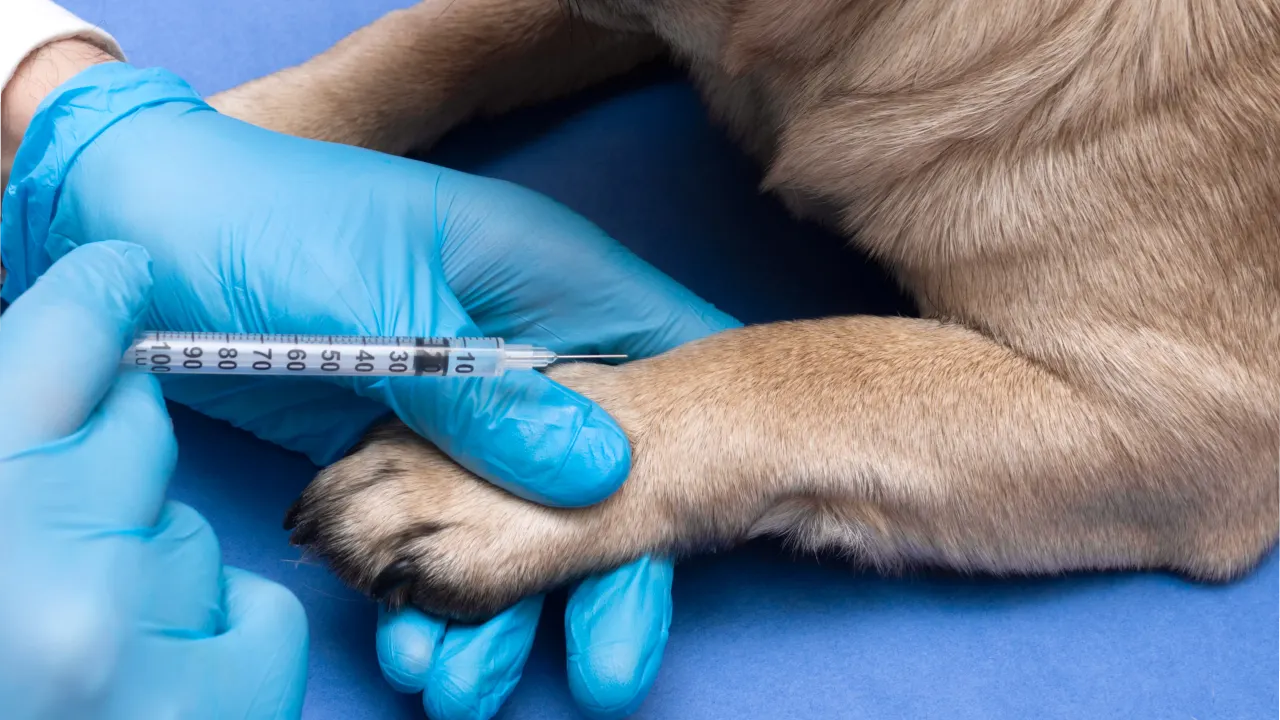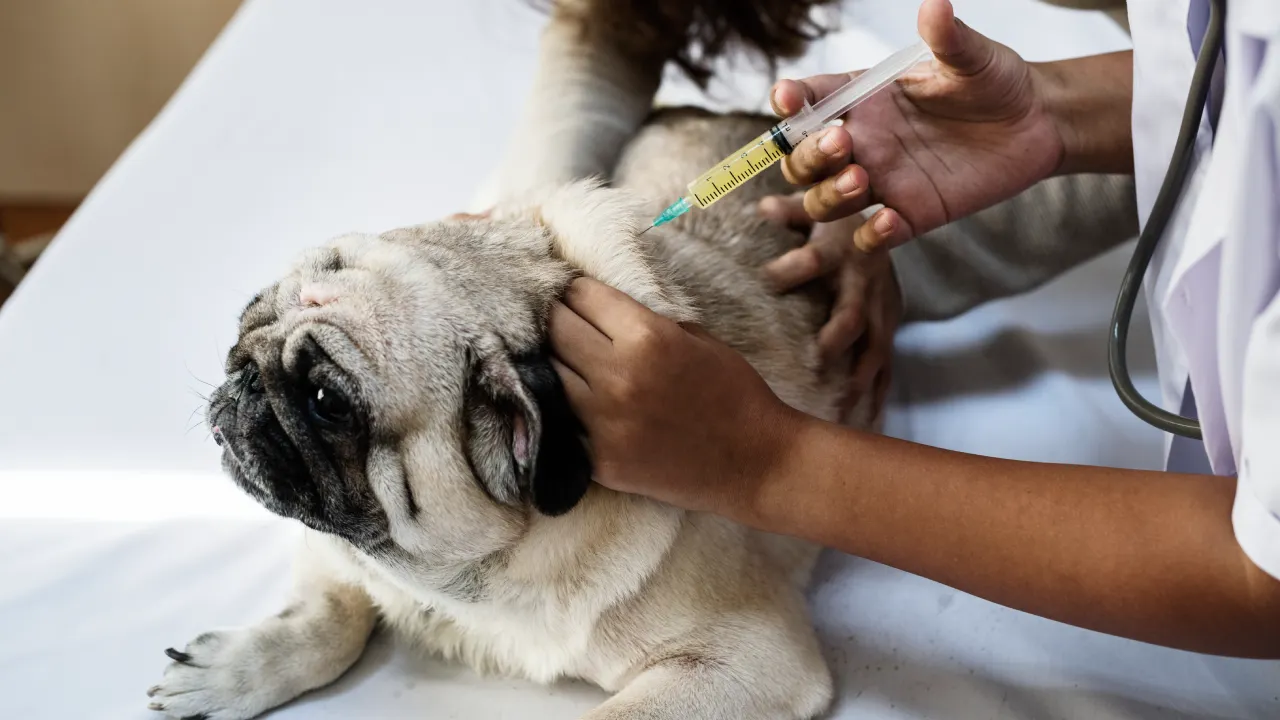
Pet owners want their companions to enjoy active, comfortable lives from their first weeks through their senior years. One of the most important parts of routine veterinary care is Vaccinations for Pets. A vaccination plan helps reduce the chance of many contagious diseases while supporting the health of individual animals and the wider pet community.
For families in Calgary, keeping up with routine veterinary visits creates opportunities to monitor growth, discuss lifestyle changes, and review disease risks. Whether a pet spends most of its time indoors or enjoys parks, hiking trails, boarding facilities, or daycare, preventive care remains an important part of responsible ownership.
Below are seven reasons vaccinations remain important throughout every stage of a pet's life.
Young animals enter the world with developing immune systems. While they receive some temporary antibodies from their mothers, that protection gradually decreases. They become increasingly susceptible to viruses and bacteria that can spread rapidly during this transition.
A veterinarian creates a schedule that matches a puppy's or kitten's age, health status, and lifestyle. Staying current with Vaccinations for Pets during these early months helps reduce the risk of illnesses that may otherwise lead to serious complications.
Early veterinary visits also allow pet owners to discuss nutrition, parasite prevention, behaviour, dental care, and future wellness plans.
Many owners assume vaccinations are only necessary during the first year of life. In reality, adult pets continue encountering disease through everyday activities.
Dogs may come into contact with contaminated surfaces at parks, walking paths, boarding facilities, training classes, or grooming salons. Cats may encounter infectious diseases through outdoor access, contact with other animals, or visits to multi-pet households.
Keeping Vaccinations for Pets current helps maintain protection as lifestyles and environmental exposure change over time.
Vaccination does more than protect one individual animal. When many pets receive routine preventive care, contagious diseases have fewer opportunities to spread throughout neighbourhoods.
This community effect becomes especially valuable in busy cities like Calgary, where dogs and cats frequently interact in public spaces, apartment buildings, boarding facilities, and veterinary waiting rooms.
Maintaining Vaccinations for Pets contributes to a healthier environment for pets across the community, including animals whose immune systems may already be weakened due to age or illness.
Planning a holiday with your pet or arranging boarding while you're away often involves vaccination requirements.
Many boarding kennels, training facilities, grooming salons, daycare centres, and travel programmes request proof that vaccinations are current before accepting pets. These policies reduce disease transmission among animals sharing the same environment.
By maintaining Vaccinations for Pets, owners can avoid last-minute scheduling concerns before vacations, relocations, competitions, or extended stays away from home.
As pets grow older, their bodies undergo natural changes. While many senior dogs and cats become less active, they do not stop facing infectious diseases.
Routine veterinary visits become increasingly valuable during these years because they allow ongoing health assessments while reviewing vaccination schedules based on age, medical history, and lifestyle.
Continuing Vaccinations for Pets during senior years supports preventive care while allowing veterinarians to detect other health changes that may require attention.
Treating contagious diseases can involve extensive veterinary care, diagnostic testing, supportive treatment, and lengthy recovery periods. Some illnesses may have a lasting impact even after recovery.
Preventive care is generally much easier than treating serious infectious diseases after exposure.
Keeping Vaccinations for Pets current helps lower the chance of facing illnesses that could otherwise affect appetite, breathing, digestion, energy levels, or long-term health.
Vaccination appointments involve much more than receiving vaccines.
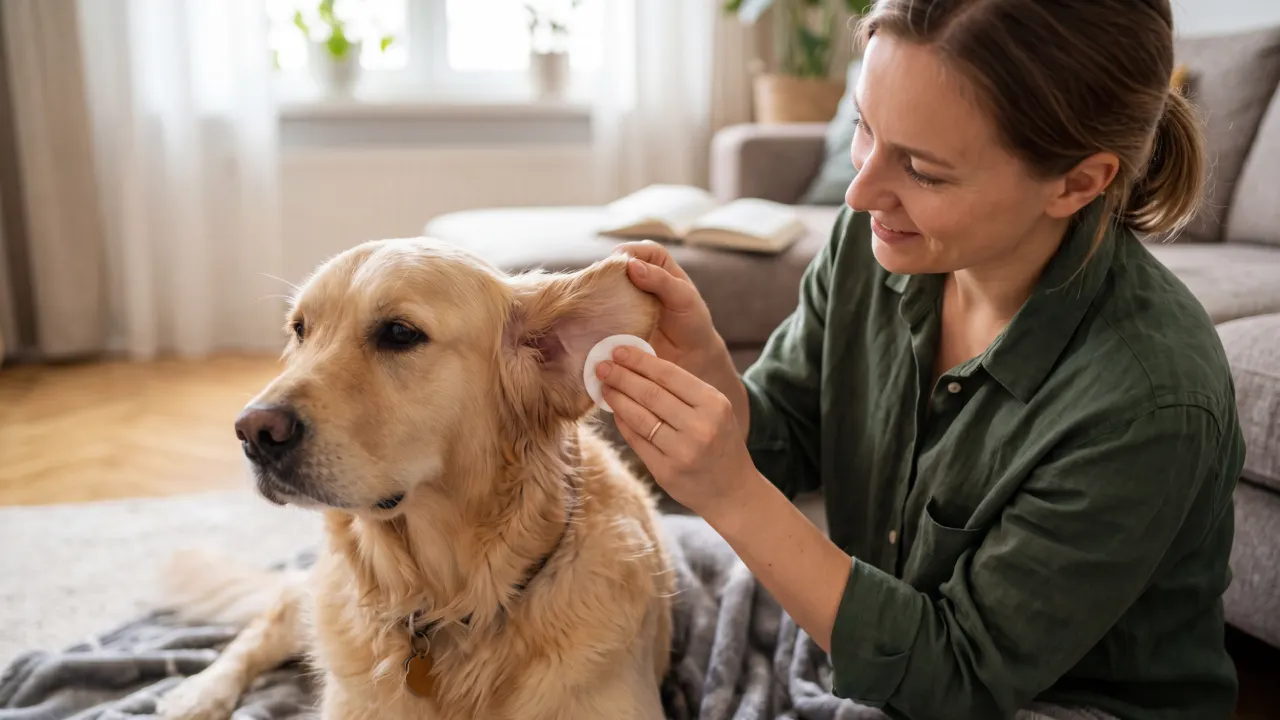
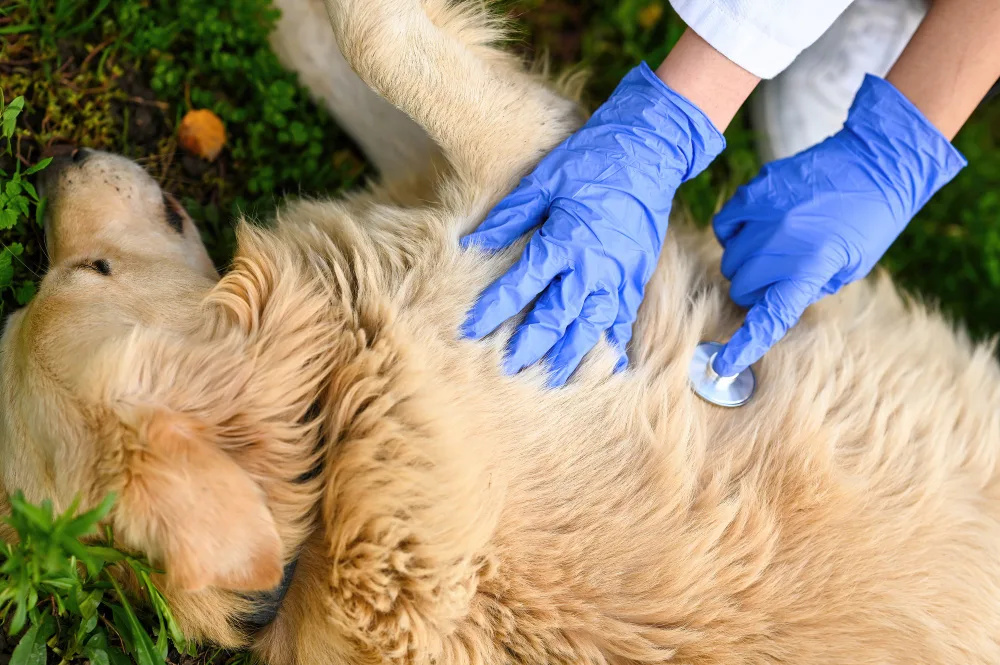
During these visits, veterinarians perform physical examinations that may identify concerns before they become more serious. Routine examinations may reveal concerns such as weight changes, dental disease, skin conditions, joint stiffness, ear infections, and heart changes. during routine examinations.
Maintaining Vaccinations for Pets also creates regular opportunities for owners to ask questions about nutrition, behaviour, exercise, parasite prevention, seasonal concerns, and changes they have observed at home.
These conversations help keep pets healthy throughout every stage of life.
Certain situations make timely vaccination discussions even more important. If any of the following apply, contact your veterinarian instead of postponing preventive care.
Prompt scheduling helps maintain continuity within your pet's preventive healthcare plan.
There is no single schedule that fits every dog or cat. Vaccination timing depends on several factors, including the following:
Young puppies and kittens generally receive a series of vaccines over several weeks because maternal antibodies gradually decline. Adult pets often require booster vaccinations at intervals recommended by their veterinarian. Some vaccines may be updated annually, while others may remain effective for longer periods depending on veterinary recommendations and current medical guidelines.
Rather than relying on a fixed calendar, it is wise to schedule routine wellness examinations each year so vaccination records can be reviewed alongside any lifestyle changes.
Calgary offers many opportunities for pets to enjoy outdoor activities throughout the year. Walking trails, neighbourhood parks, boarding facilities, training programmes, pet-friendly events, and travel all increase the chances of contact with other animals.
Weather patterns and wildlife interactions can also influence disease exposure in different seasons. Because every household has different routines, vaccination plans should reflect each pet's daily activities instead of following assumptions.
Indoor pets also benefit from preventive care. Viruses and bacteria can occasionally be introduced through people, visiting animals, shared equipment, or unexpected outdoor exposure.
Routine veterinary care allows owners to review these factors regularly and make informed decisions about ongoing protection.
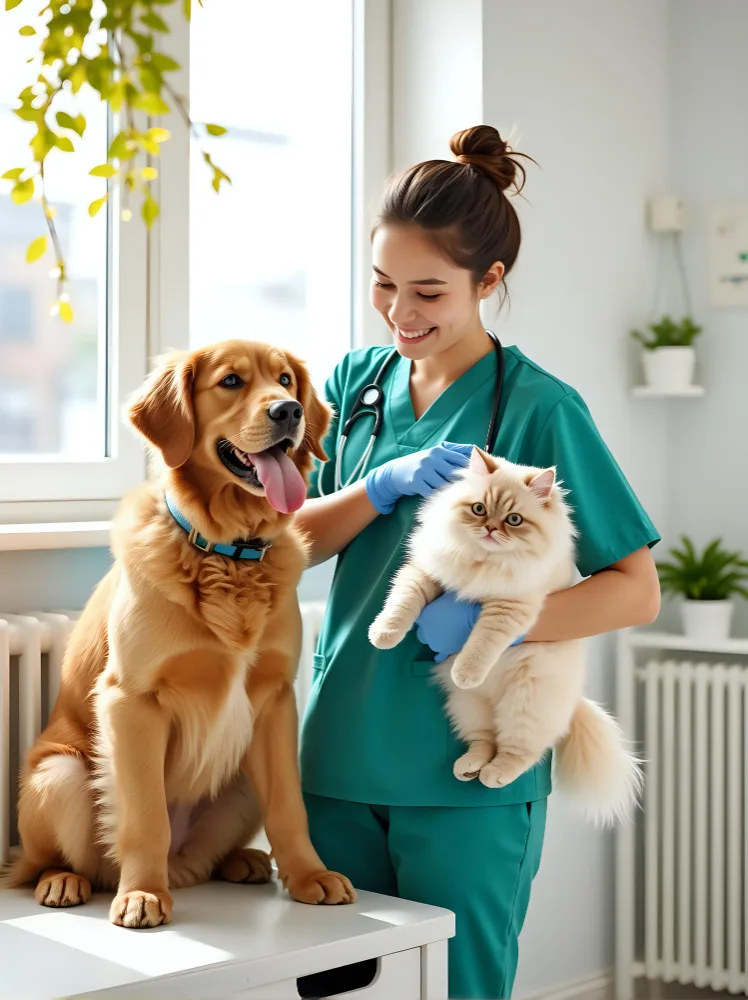
A trusted veterinary clinic becomes an important part of a pet's life from the first puppy or kitten appointment through the senior years.
Regular visits provide opportunities to monitor growth, maintain health records, discuss nutrition, evaluate weight, assess mobility, monitor dental health, and review changing lifestyle needs. Vaccination planning fits naturally into these ongoing wellness visits because recommendations may change as pets grow older or their daily routines evolve.
Building a long-term relationship with the same veterinary team also creates consistency in your pet's medical history, making future healthcare decisions easier.
Maintaining accurate vaccination records makes future appointments much easier. Consider keeping copies of your pet's documents in both printed and digital formats.
These records may be requested for:
Updating records after every veterinary visit helps prevent confusion later.
Most puppies and kittens begin their vaccination series when they are several weeks old. Your veterinarian will recommend a schedule based on age, health, and development.
Yes. Indoor cats may still face disease exposure through visitors, other animals, or unexpected escapes outdoors. Your veterinarian can recommend which vaccines remain appropriate.
Feeling healthy does not guarantee protection from infectious diseases. Booster schedules help maintain immunity according to veterinary recommendations.
Contact your veterinary clinic as soon as possible. They can review your pet's records and determine the next appropriate step.
Annual examinations allow veterinarians to monitor overall health, identify early changes, review lifestyle factors, update preventive care, and keep medical records current.
If your dog or cat is due for a wellness visit, the team at Ramsay Animal Clinic proudly serves pet owners throughout Calgary with compassionate veterinary care. Whether you have a playful puppy, an adventurous adult pet, or a senior companion, the clinic can review your pet's health history and discuss Vaccinations for Pets that fit your companion's current stage of life. Schedule an appointment today and help keep your pet ready for every adventure.