A pet’s skin can reveal changes in overall health. Redness, itching, flaking, hair loss, bumps, odour, scabs, or frequent licking may seem minor at first, but these signs can have several possible causes. Environmental changes, parasites, allergies, infections, grooming products, nutritional concerns, and underlying health conditions can all affect the skin.
For pet owners in Calgary, noticing a change early can make it easier to determine what may be happening and whether veterinary assessment is needed. One of the most common mistakes is assuming that every itchy or irritated area has the same cause. Another is trying several home remedies before finding out why the skin has changed.
Pet Skin Treatment is not simply about applying a product to an irritated area. A veterinarian may first look at the location, appearance, duration, severity, and pattern of the skin problem before deciding what care may be appropriate. This approach helps distinguish temporary irritation from conditions that require veterinary attention.
Pets cannot explain when their skin starts feeling irritated. Instead, they may scratch, lick, chew, rub against furniture, shake their heads, or groom themselves more frequently.
Some signs can be subtle. A pet may have slightly pink skin under the fur, a small patch of thinning hair, or occasional scratching. Other signs can become more noticeable, such as open sores, crusting, bleeding, swelling, or widespread hair loss.
Skin changes may also develop gradually. A pet owner might notice one small area and assume it will disappear without intervention. If the underlying cause remains, however, repeated scratching or licking can damage the skin further.
Pet Skin Treatment should therefore begin with identifying the possible reason behind the skin change rather than simply trying to stop the visible symptom.
Itching is one of the most recognizable signs of skin irritation, but allergies are only one possible cause.
Parasites, bacterial or fungal infections, dry skin, contact irritation, ear problems, hormonal conditions, and other concerns can also cause itching. Some pets may even scratch because a particular area is uncomfortable for another reason.
Assuming an allergy without veterinary assessment can delay appropriate care. Recording when the itching began, where it occurs, and whether it changes during particular situations can provide useful information for a veterinarian.
A small irritated patch may seem insignificant, particularly when a pet is still eating, playing, and behaving normally. However, repeated scratching or licking can quickly cause additional skin damage.
Open areas can become contaminated, while persistent irritation may cause thickening, scabbing, hair loss, or changes in skin colour.
Pet Skin Treatment may be easier to plan when a skin issue is assessed before it becomes widespread. Pet owners should pay attention to changes that continue, return repeatedly, or interfere with normal activities.
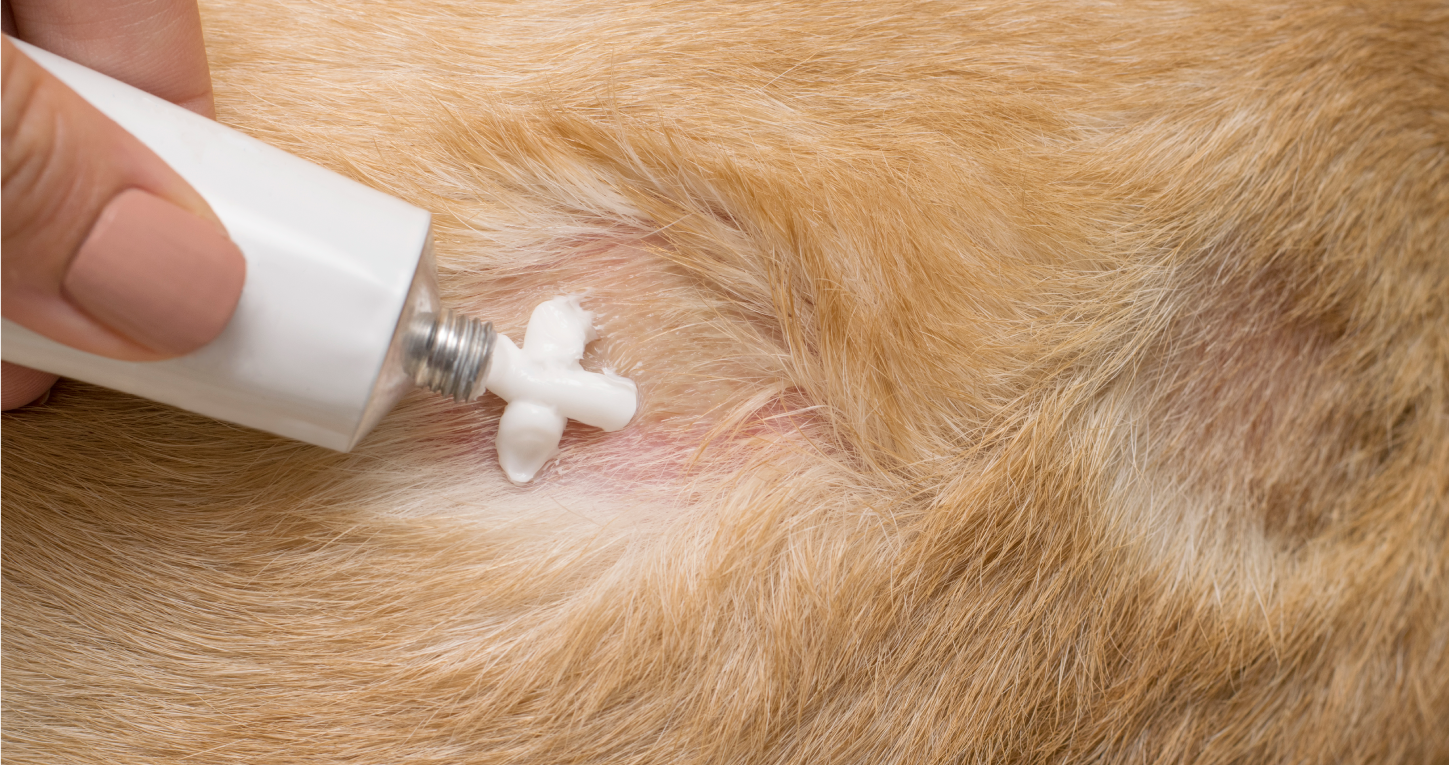
Human skin products are formulated for people and may not be appropriate for animals. Certain ingredients, fragrances, preservatives, or concentrations can irritate a pet’s skin.
There is also a risk that a pet will lick a product after it has been applied. Depending on the ingredient, swallowing a human topical product may create an additional concern.
Instead of applying household creams or lotions, pet owners should ask a veterinarian which products are appropriate for their animal and the particular skin concern.
When a pet starts scratching, an owner may change food, shampoo, bedding, cleaning products, grooming routines, and supplements all at once.
Although the intention is understandable, making many changes simultaneously can make it difficult to determine what may have affected the skin.
A veterinarian may recommend a structured approach based on the pet’s history and clinical findings. Keeping notes about diet, grooming, outdoor activity, parasite prevention, and changes in the home can also help identify patterns.
Bathing can be part of routine grooming, but excessive bathing or using unsuitable shampoos may contribute to skin irritation.
The appropriate bathing schedule depends on factors such as coat type, skin condition, activity level, and veterinary recommendations.
If a pet already has irritated skin, owners should avoid repeatedly washing the affected area with household soaps or shampoos unless instructed to do so.
Pet Skin Treatment may include bathing or topical care in some cases, but the products and frequency should be selected according to the suspected cause.
Fleas and other external parasites can cause significant itching and skin irritation. Some pets may react strongly to a small number of flea bites.
A pet owner may not always see fleas because they can be difficult to spot, particularly in pets with dense coats. Scratching around the tail base, hindquarters, or other areas may warrant closer attention.
Veterinary advice about parasite prevention can help owners determine whether current prevention practices are appropriate for their pet’s needs.
A visible reduction in redness or scratching does not always mean that the underlying issue has been addressed.
Some skin conditions can return after temporary improvement, especially when the underlying trigger remains.
Pet owners should follow the veterinarian’s instructions regarding follow-up visits, bathing routines, topical products, or other recommended care. If signs return, the clinic should be informed rather than repeatedly restarting previous products without assessment.
Skin problems can sometimes occur alongside other changes. A veterinarian may ask about appetite, weight, thirst, urination, energy levels, digestion, behaviour, and other aspects of the pet’s health.
This broader information can help place the skin signs in context.
For example, recurring skin changes accompanied by other unusual symptoms may require a more detailed veterinary assessment than an isolated patch of mild irritation.
One of the key points veterinarians want pet owners to recognize is that not every skin problem looks serious at first.
Owners should consider veterinary care when skin changes persist, worsen, return frequently, or cause significant discomfort or behavioural changes.
Veterinary assessment is particularly important when a pet has:
Pet owners should also seek veterinary attention when a pet repeatedly damages its own skin through scratching or chewing.
The veterinarian may examine the coat and skin closely and ask questions about the pet’s history. Depending on the findings, additional diagnostic procedures may be considered. The goal is to determine what may be causing the skin changes before deciding on the appropriate care plan.
A veterinary appointment may begin with questions about when the signs started and whether they have changed over time.
The veterinarian may ask:
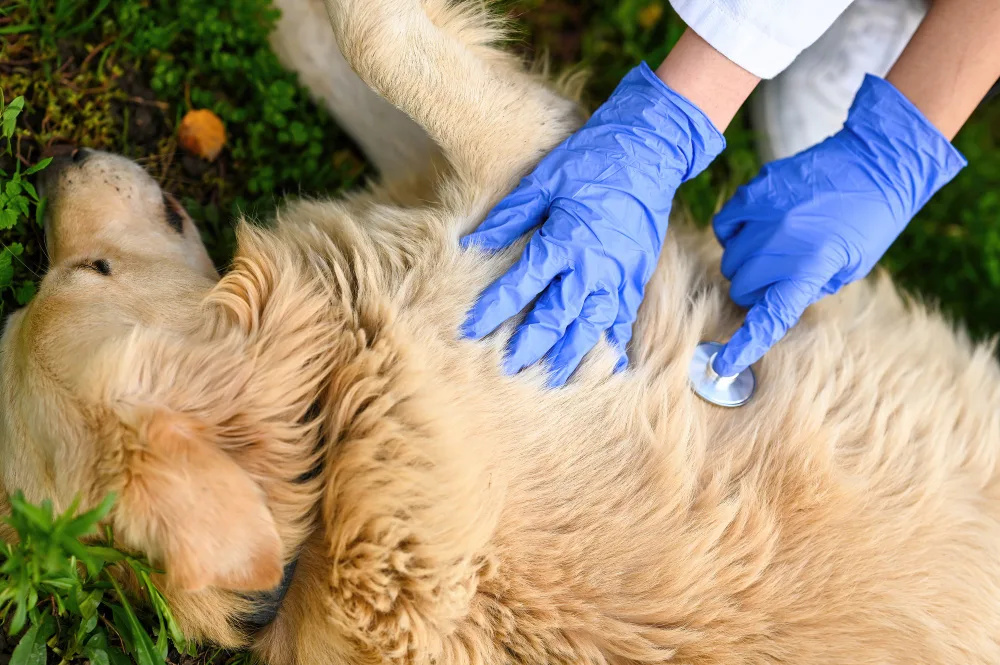
The physical examination can provide additional information. The veterinarian may inspect the skin, coat, ears, paws, and other areas that may be connected to the problem.
In some cases, testing may be recommended to help identify parasites, infections, or other causes.
This is why Pet Skin Treatment should not be viewed as a single product or procedure. The appropriate approach depends on what the veterinary assessment reveals.
Calgary pets can encounter changing environmental conditions throughout the year. Cold, dry air can affect the skin barrier, while outdoor exposure may bring pets into contact with grass, pollen, dust, or other environmental triggers.
Indoor factors may also matter. Household cleaning products, fragrances, new bedding, grooming products, and changes in the home environment can sometimes coincide with skin changes.
Pet owners can help by keeping their pet’s living areas clean, washing bedding as appropriate, maintaining regular grooming, and following veterinary recommendations for parasite prevention.
However, environmental management should not replace veterinary assessment when signs persist.
Regular observation can help pet owners notice changes earlier.
During normal grooming or handling, check for:
Taking a photograph of a new skin change can also help document how it develops over time. Notes about when the signs started and what changed around the same period may provide useful information during a veterinary visit.
Pet Skin Treatment may vary considerably depending on whether the problem involves parasites, infection, allergies, irritation, or another condition. Documentation can help the veterinarian identify patterns and decide what additional assessment may be appropriate.
Online information can help pet owners recognize that something may be unusual, but many skin conditions can look similar.
For example, itching may occur with parasites, allergies, infections, or irritation. Hair loss can have several possible causes. Redness may occur after scratching, but it can also appear with other skin conditions.
Trying several products based solely on appearance may make it harder to identify the original cause. Some products can also irritate already sensitive skin.
Pet owners should therefore treat online information as a starting point for questions rather than a substitute for veterinary assessment.
There are several practical steps owners can take before visiting a clinic.
First, note when the skin changes were first noticed. Record whether the area has grown or whether new areas have appeared.
Second, observe your pet’s behaviour. Is the pet scratching at night? Licking its paws? Chewing a particular area? Rubbing against furniture?
Third, make a list of recent changes. This could include new food, grooming products, bedding, household products, outdoor exposure, or changes in parasite prevention.
Finally, avoid repeatedly applying unfamiliar products to the affected area unless advised by a veterinarian.
These details can help the veterinary team assess the situation more clearly.
For pet owners in Calgary, Ramsay Animal Clinic can assess skin concerns and help determine when veterinary care may be appropriate.
Pet Skin Treatment may involve different steps depending on the cause and severity of the skin problem. A veterinary assessment can help identify whether the signs may relate to parasites, allergies, infection, irritation, or another health concern.
If your pet has ongoing itching, redness, hair loss, unusual odour, sores, scabbing, or repeated skin problems, contact Ramsay Animal Clinic to discuss the next step.
Common signs include persistent scratching, frequent licking, hair loss, redness, scabs, flakes, bumps, swelling, unusual odour, and changes in the appearance of the coat or skin. Repeated chewing or rubbing of one area can also indicate irritation.
Human skin products may contain ingredients that are unsuitable for animals and may cause irritation or problems if swallowed. Speak with a veterinarian before applying a human product to your pet’s skin.
Veterinary care should be considered when skin changes persist, worsen, return frequently, spread to other areas, or cause repeated scratching, licking, chewing, or discomfort. Open wounds, discharge, swelling, significant hair loss, or sudden widespread changes also warrant veterinary attention.
No. Itching can have several possible causes, including parasites, infections, environmental factors, contact irritation, and allergies. A veterinary assessment can help determine what may be contributing to the signs.
Maintain appropriate grooming, keep bedding and living areas clean, follow parasite-prevention recommendations, avoid unsuitable products, and monitor your pet’s skin regularly. If problems keep returning, discuss the pattern with your veterinarian.
Skin changes can sometimes start with a small patch, occasional scratching, or subtle coat changes. Paying attention to these signs can help pet owners recognize when a veterinary assessment may be appropriate.
For Calgary pet owners concerned about itching, redness, hair loss, scabbing, odour, or recurring skin problems, Ramsay Animal Clinic can assess your pet and discuss the appropriate next steps.
Contact Ramsay Animal Clinic to arrange a veterinary appointment and discuss your pet’s skin concerns.
Phone: +1 587-480-8100
Address: 1639 17a St SE, Calgary, AB T2G 3W8, Canada