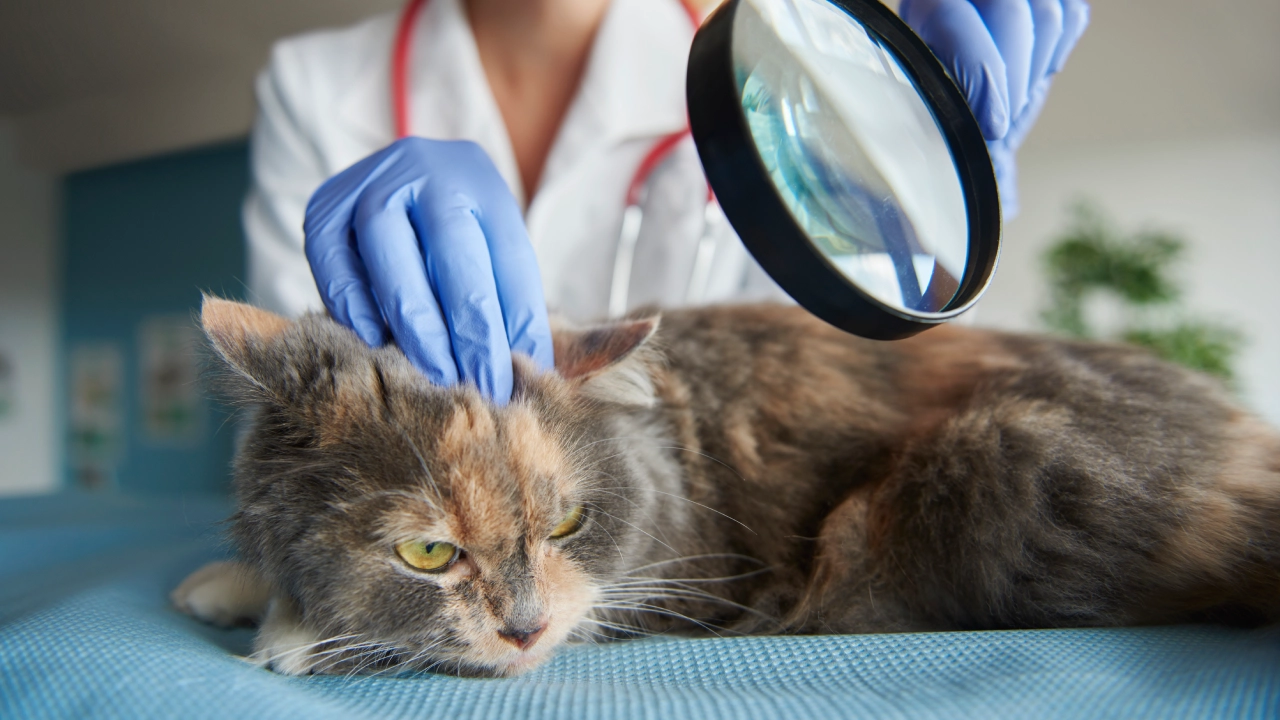
A pet's skin can reveal a lot about its overall health. From constant scratching and red patches to hair loss and recurring ear infections, skin problems can affect dogs and cats at any age. While some symptoms may seem minor, they can sometimes point to allergies, parasites, infections, or other medical concerns that need veterinary attention.
Pet owners often try changing shampoos, bathing routines, or food when their animals develop skin irritation. However, without identifying the underlying cause, these changes may not address the problem. This situation is where veterinary dermatology plays an important role.
If you are searching for Veterinary Dermatology Calgary, knowing which conditions fall under this area of veterinary medicine can help you recognize when your pet needs an examination.
At Ramsay Animal Clinic, dermatology services focus on assessing skin, coat, ear, and nail concerns in dogs and cats. Let's explore eight common conditions that veterinary dermatology can address and the signs every pet owner should know.
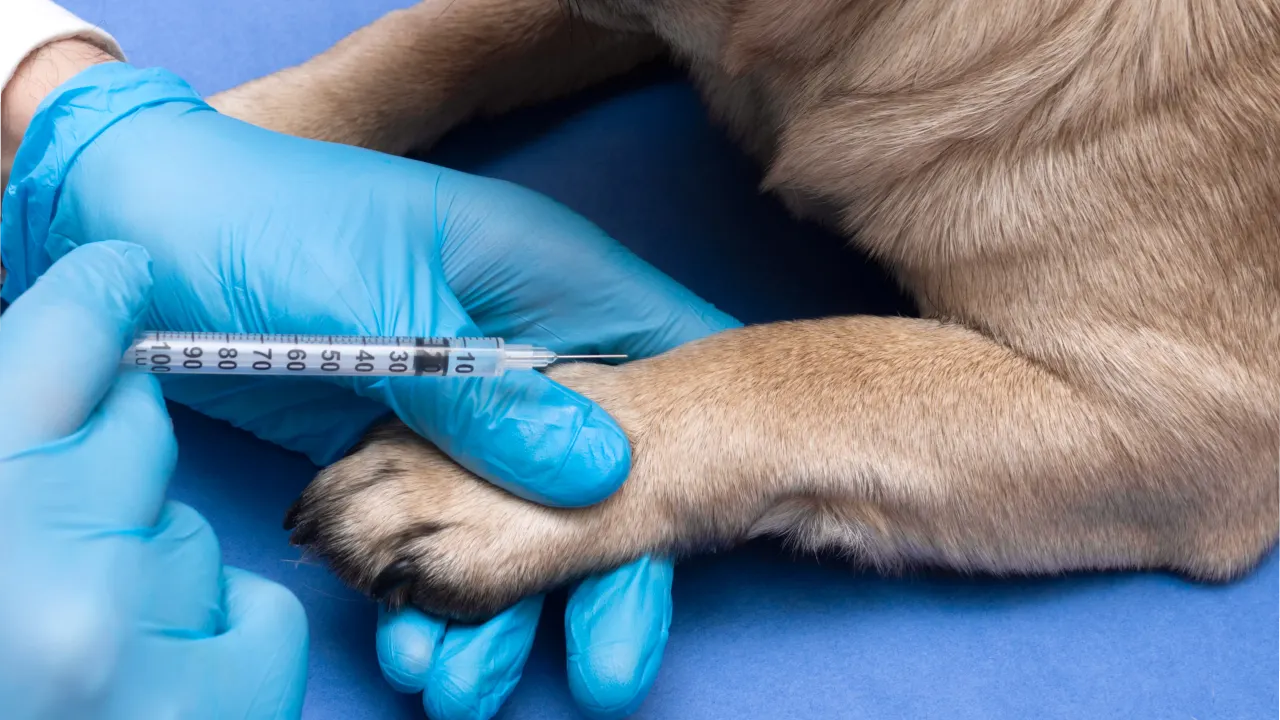
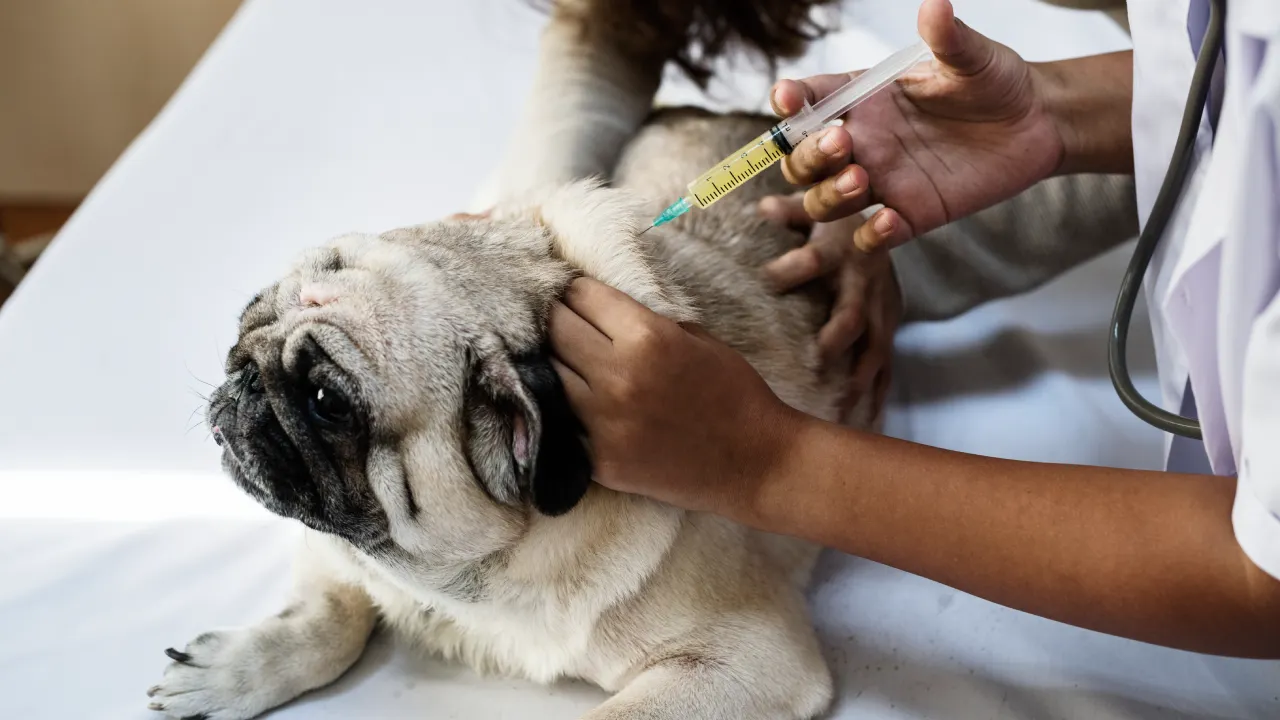
Pet dermatology is a branch of veterinary medicine concerned with diseases and disorders affecting an animal's skin, hair, ears, and nails. It involves identifying the cause of visible symptoms, carrying out appropriate tests, and establishing a suitable care plan.
Skin conditions can develop because of allergies, parasites, bacteria, fungi, hormonal changes, immune system disorders, or environmental factors. Several conditions also share similar symptoms, which makes a veterinary examination important.
When looking for Veterinary Dermatology Calgary, pet owners should know that dermatology appointments may involve a physical examination, medical history review, skin scrapings, swabs, microscopic examination, or other diagnostic procedures.
The aim is to understand what is causing the symptoms rather than simply treating the visible irritation.
Allergies are among the common reasons dogs and cats develop itchy skin. An animal's immune system may react to substances that are normally harmless, leading to inflammation and irritation.
Common allergy triggers include:
Pets with allergies may scratch their ears, lick their paws, rub their faces against furniture, or develop red patches on their skin. Some animals also experience recurring ear infections.
Food-related allergies can occur throughout the year, while environmental allergies may follow seasonal patterns. A veterinarian may review the animal's diet, surroundings, symptoms, and medical history before recommending diagnostic steps.
An appointment for Veterinary Dermatology Calgary can help determine whether an allergic reaction is contributing to your pet's skin problems.
Bacterial skin infections, also known as bacterial dermatitis or pyoderma, can develop when bacteria multiply on damaged or irritated skin.
These infections may occur after repeated scratching, insect bites, wounds, allergies, or other conditions that weaken the skin's protective barrier.
Look for signs such as
Some infections affect the surface of the skin, while others reach deeper layers. The severity and location influence the diagnostic process and treatment options.
Veterinarians may collect skin samples and examine them under a microscope to identify bacteria or signs of inflammation. In certain cases, additional laboratory testing may be necessary.
Avoid applying household antiseptics or human skin products without veterinary advice. Some ingredients can irritate animal skin or cause problems if swallowed during grooming.
Fungal infections can affect the skin and hair coat of both dogs and cats. Ringworm is a common example, although it is caused by a fungus rather than an actual worm.
Ringworm may produce circular patches of hair loss, broken hairs, scaling, redness, or crusty areas. However, its appearance can vary, and some infected animals show very few visible signs.
One important concern is that ringworm can spread between animals and people through direct contact or contaminated objects. Bedding, grooming equipment, brushes, and household surfaces may also carry fungal spores.
If your pet develops unexplained bald patches or scaly skin, arrange a veterinary assessment. Diagnostic methods may include fungal culture, microscopic examination, or other tests.
A Veterinary Dermatology Calgary appointment can help establish whether a fungal infection is responsible and identify suitable steps to limit its spread.
External parasites are another common cause of skin irritation in companion animals. Fleas, mites, and ticks can affect the skin, cause itching, and sometimes lead to secondary infections.
Flea allergy dermatitis occurs when a pet reacts to proteins in flea saliva. Even a small number of flea bites may trigger intense itching in sensitive animals.
Mites can cause different skin conditions. Some produce severe itching, while others contribute to hair loss, scaling, and crust formation.
Watch for these symptoms:
A veterinarian may use skin scrapings, coat examinations, or other diagnostic methods to identify parasites. Treatment can involve parasite control for the affected animal and, when necessary, other pets in the household.
Regular parasite prevention and household cleaning can also help reduce the risk of repeated infestations.
Ear problems are closely connected to veterinary dermatology because the ear canal contains skin that can become inflamed or infected.
Dogs with floppy ears, narrow ear canals, allergies, or frequent moisture exposure may develop recurring ear problems. Cats can also experience ear infections and inflammation.
Common signs include:
Bacteria and yeast may contribute to infections, but an underlying allergy or another condition can also be responsible.
Veterinarians may examine the ear canal and collect a sample for microscopic evaluation. This helps identify the organisms involved and determine the next steps.
Avoid inserting cotton swabs deep into your pet's ears. Do not use leftover ear drops unless a veterinarian confirms they are suitable for the current problem.
Hot spots, medically known as acute moist dermatitis, are areas of inflamed skin that can develop quickly. They are often associated with excessive licking, chewing, or scratching.
These lesions may begin after a flea bite, allergy flare-up, small wound, or moisture trapped beneath the coat. Once irritation starts, repeated licking can damage the skin further.
Hot spots commonly appear as:
Long-haired dogs may be more prone to hot spots when moisture becomes trapped close to the skin, although any dog can develop them.
Prompt veterinary assessment is important because these lesions can expand quickly. A veterinarian may need to clean and examine the area, identify the trigger, and address any secondary infection.
Keeping the affected area dry and preventing further licking may form part of the care instructions.
Hair loss, also called alopecia, can occur for several reasons. Although shedding is normal in many animals, unusual bald patches or thinning areas may indicate an underlying medical condition.
Possible causes include:
The pattern of hair loss can provide useful clues. For example, circular bald patches may raise suspicion of a fungal infection, while symmetrical thinning may suggest a hormonal concern.
Cats that repeatedly groom one area may also develop visible patches of missing fur. This behaviour can be linked to itching, pain, stress, or other medical problems.
During a Veterinary Dermatology Calgary assessment, the veterinarian may examine the coat, check the skin, review nutrition and medical history, and recommend blood tests or skin diagnostics when necessary.
Avoid assuming that hair loss is simply a seasonal shedding issue, especially when bald patches, redness, or scaling are present.
Your pet's paws and nails also fall within veterinary dermatology. Problems affecting these areas can make walking, running, and normal daily activities uncomfortable.
Paw inflammation may develop because of allergies, infections, parasites, injuries, or contact with irritating surfaces. Nail disorders may involve brittle nails, abnormal growth, swelling, or infection around the nail bed.
Signs to monitor include:
Some dogs develop seasonal paw irritation after contact with grass, pollen, or other environmental substances. Others may react to cleaning products or rough outdoor surfaces.
A veterinary examination can help distinguish between an allergy, infection, injury, or nail disorder. Early assessment can also reduce the risk of further tissue damage from constant licking and chewing.
Occasional scratching or shedding does not always indicate a medical concern. However, persistent or recurring symptoms should not be ignored.
Arrange an appointment if your pet has:
Seek prompt veterinary attention if your pet has rapidly spreading lesions, significant swelling, severe pain, or appears unwell.
For pet owners researching Veterinary Dermatology Calgary, an early examination can help identify the cause before scratching and inflammation lead to additional skin damage.
A dermatology appointment usually starts with a discussion about your pet's symptoms and medical history.
The veterinarian may ask when the problem started, which areas are affected, whether symptoms change with the seasons, and whether previous treatments have helped.
Information about diet, grooming products, parasite prevention, outdoor activities, and contact with other animals can also be useful.
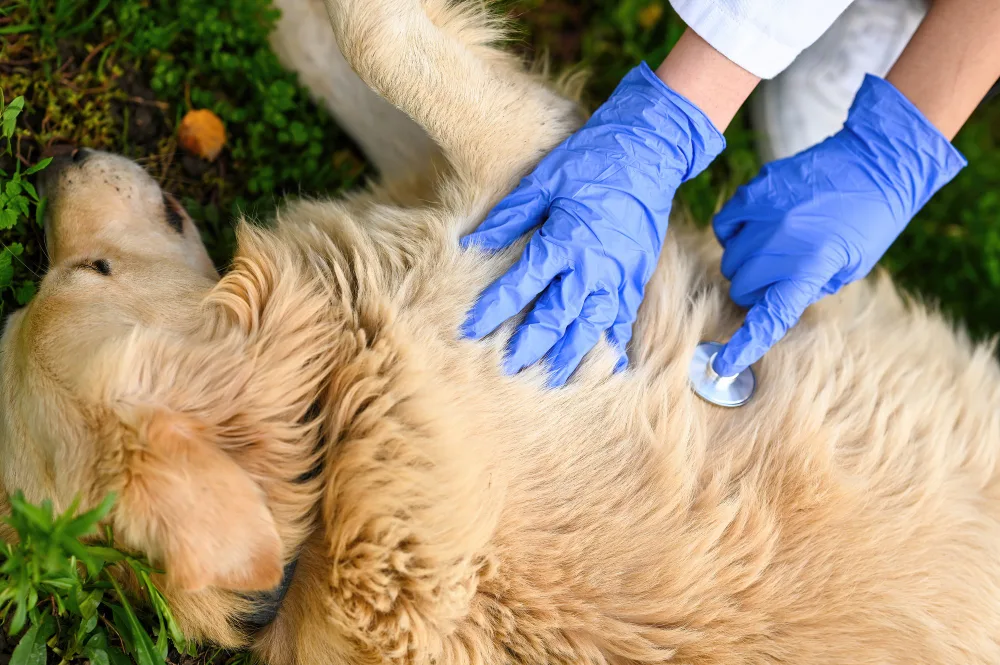
The veterinarian checks the affected areas for redness, swelling, scaling, discharge, hair loss, parasites, and other changes.
The examination may include the ears, paws, nail beds, and areas that your pet frequently scratches or licks.
Depending on the symptoms, testing may include:
Not every pet requires every test. The veterinarian selects procedures based on the examination findings.
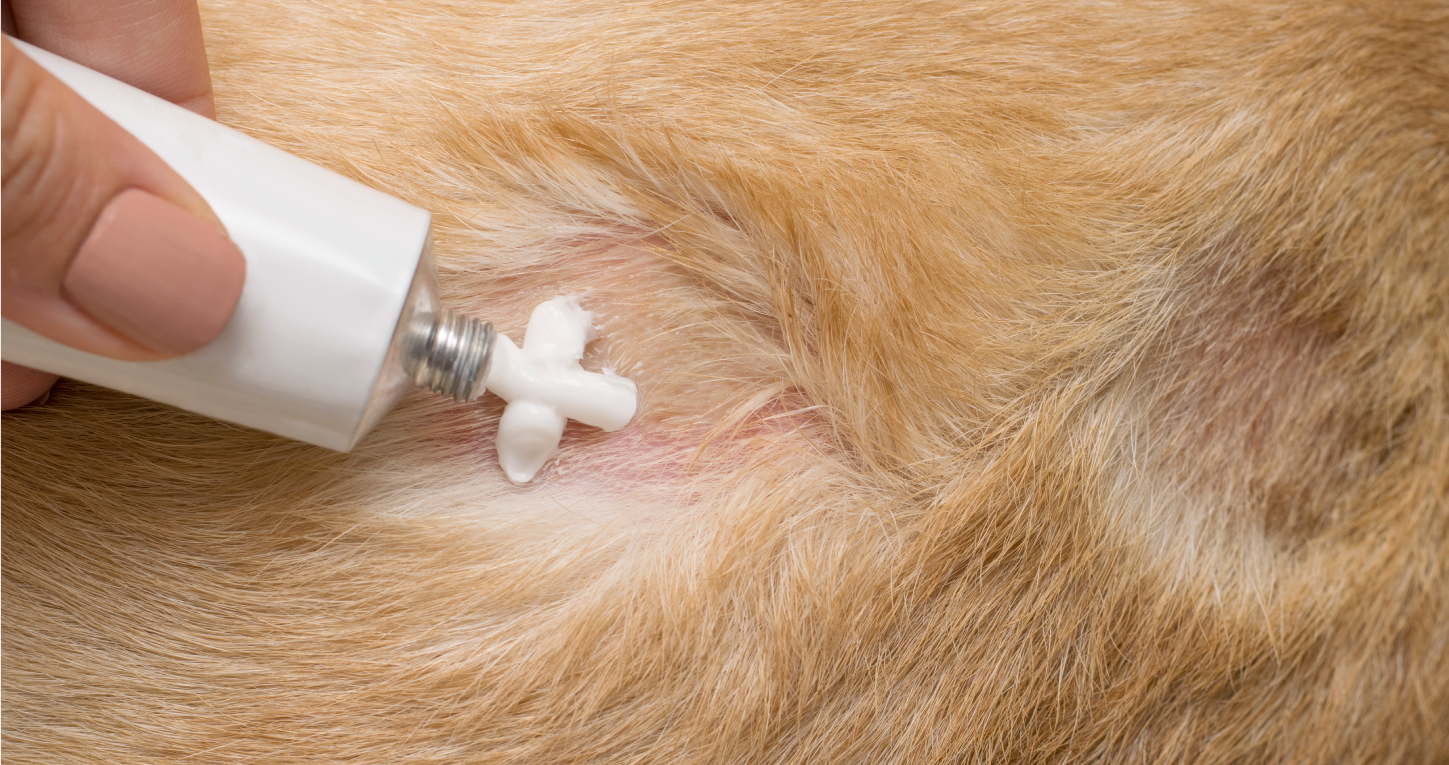
Once the likely cause has been identified, the veterinarian explains the available options. These may include prescribed products, parasite control, medicated bathing, dietary changes, or other clinical measures.
Some conditions resolve after a course of treatment, while chronic allergies and certain skin disorders may need periodic monitoring.
Daily habits can help maintain your pet's skin and coat between veterinary visits.
Follow a grooming routine: Brush your pet according to its coat type. Regular grooming can help you notice unusual bumps, flakes, parasites, or bald patches.
Maintain parasite prevention: Follow veterinary advice about flea and tick prevention. Use products suitable for your pet's species, age, and health status.
Choose suitable bathing products: Use shampoos formulated for animals. Human shampoos may disrupt the skin's natural balance.
Monitor food and diet changes: Discuss suspected food reactions with your veterinarian before removing major food groups or starting an elimination diet.
Check the paws and ears: Look for redness, discharge, odour, swelling, or repeated licking.
Keep a symptom record: Note when itching occurs, which areas are affected, and whether symptoms follow outdoor activities, bathing, or food changes. Photographs can help document changes between appointments.
If symptoms persist, home care should not replace a veterinary examination.
Can both dogs and cats receive dermatology care?
Yes. Dogs and cats can develop allergies, infections, parasites, ear conditions, hair loss, and nail disorders. Veterinary dermatology addresses these concerns in both species.
Are pet skin conditions contagious?
Some are contagious, while others are not. Ringworm and certain parasites can spread between animals and sometimes to people. Allergies and hormonal disorders are not contagious. A veterinary examination can help determine the cause.
Can food cause skin problems in pets?
Yes. Certain food ingredients can trigger allergic reactions in susceptible animals. Signs may include itching, recurring ear problems, paw licking, and skin inflammation. A veterinarian can discuss whether a controlled dietary trial is appropriate.
How long does pet dermatology treatment take?
The timeframe depends on the condition, its severity, and the animal's response to care. Some infections resolve within a few weeks, while chronic allergies may require ongoing management and periodic check-ups.
Should I bathe my pet when it has itchy skin?
Not necessarily. Frequent bathing or unsuitable products may increase irritation. Ask your veterinarian whether bathing is appropriate and which shampoo should be used.
When should I seek veterinary attention for hair loss?
Arrange an examination if bald patches appear suddenly, spread, or occur alongside redness, scaling, itching, or sores. These signs may indicate an infection, parasite problem, allergy, or another medical condition.
Does pet dermatology include ear and nail problems?
Yes. Veterinary dermatology covers the skin, coat, ears, paws, and nails. Recurring ear inflammation and nail disorders may require dermatological assessment.
Can skin problems return after treatment?
Yes. Allergies, some infections, and chronic skin disorders can recur if the underlying trigger remains. Follow-up visits and preventive measures can help monitor the condition and address new symptoms.
Skin irritation, repeated scratching, hair loss, and ear infections can affect your pet's everyday routine. Identifying the cause is an important step towards managing these concerns and protecting your animal's skin health.
If you are looking for Veterinary Dermatology Calgary, Ramsay Animal Clinic provides dermatology services for dogs and cats with allergies, skin infections, parasites, ear conditions, coat changes, and other dermatological concerns.
The clinic is located at:
Ramsay Animal Clinic
1639 17a St SE
Calgary, AB T2G 3W8, Canada
Phone: +1 587-480-8100
If you have noticed unusual skin changes, persistent itching, or recurring ear problems in your pet, contact Ramsay Animal Clinic to arrange an appointment. A veterinary examination can help identify what is happening and determine the appropriate next steps for your companion.